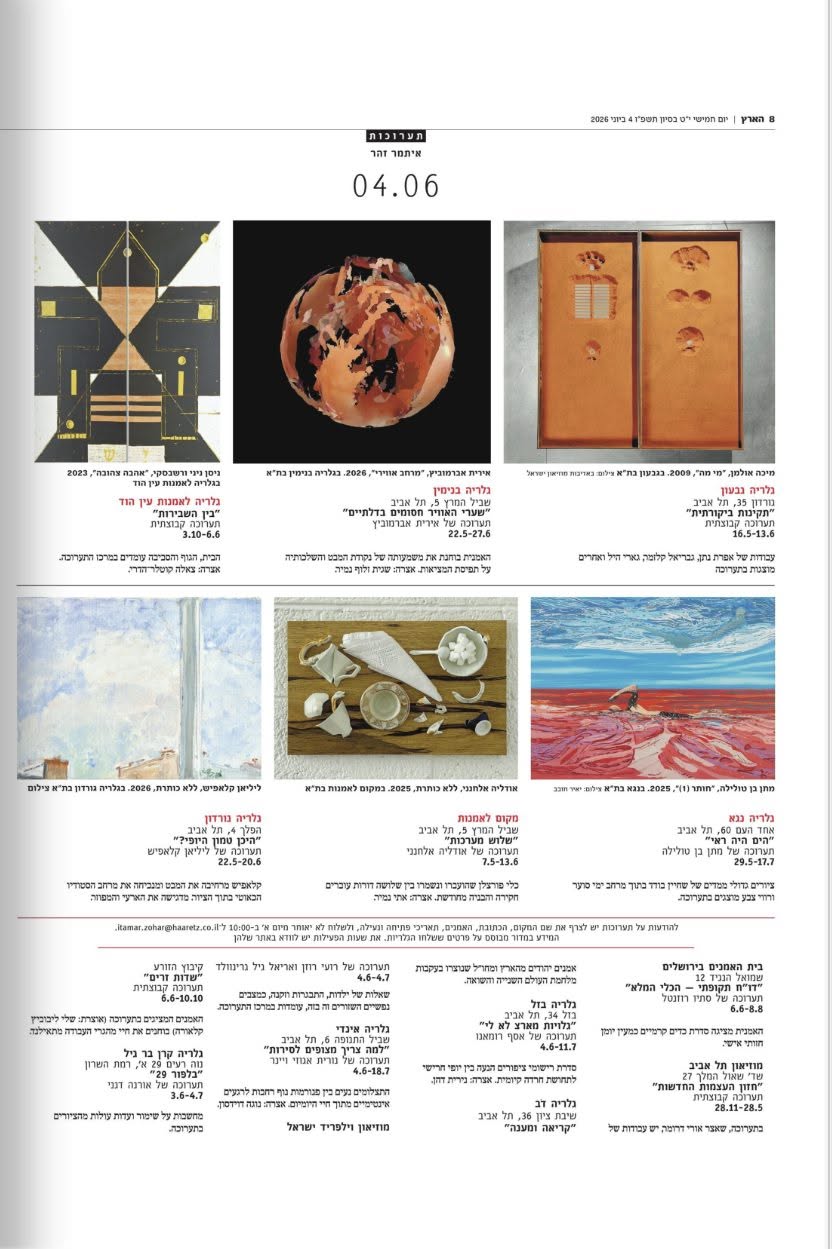
בין השבירוֹת: קבוצתית
גלריה לאמנות עין הוד
6 ביוני עד 3 באוקטובר 2026
אוצרת: צאלה קוטלר הדרי
משתתפים: אליה בלוך, שרון בריל, אלמוג גז, בתיה גיל מרגלית, נועה הגלעדי, ניני ורשבסקי, אמיר כהן, נועה למדן, אנלייה מגן, משה מוקדי, כרם נאטור, בוב נצ'ין, זיוה בן-ערב רבינוביץ, גילי דיאנה שכטר.
"כיצד נעשה אדם אבות ישורון? התשובה היא: מן השבירוֹת", אמר המשורר בראיון לעלי מוהר בשנת 1970. ארבע שנים לאחר מכן ראה אור ספרו המכונן "השבר הסורי-אפריקני", שמיצב אותו כיוצר בעל שפה וקול ייחודיים לדורות. במחזור שירים זה התייחס ישורון לשבר הבית שממנו בא ואותו "עזב בתוך האין מוצא", ולשבר הלאומי של מלחמת יום הכיפורים. בשיר הפותח את הספר, הוא מקביל בין המלחמה לניתוח שהוא עצמו עובר, ומציב את השבר כחתך בבשרו.
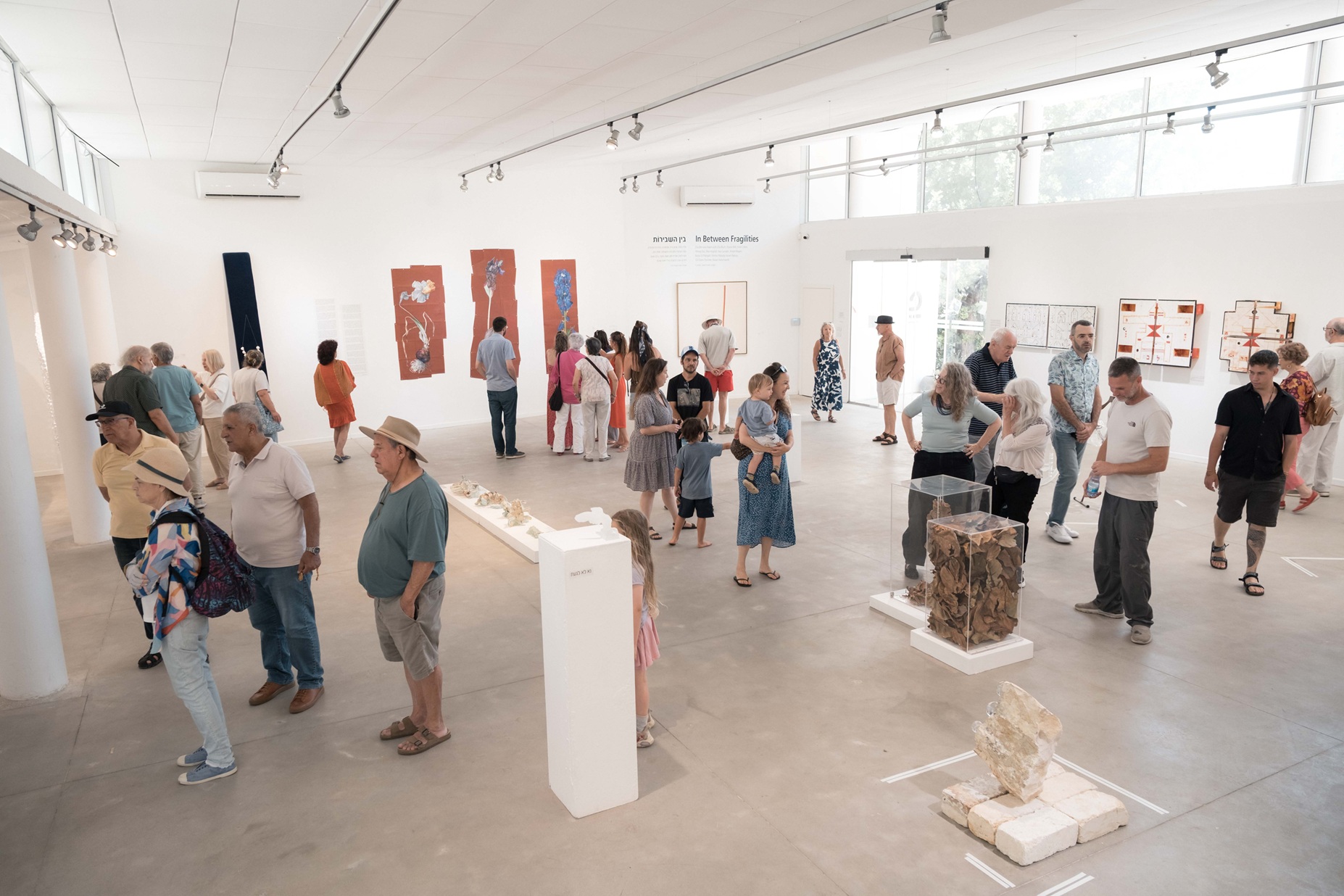
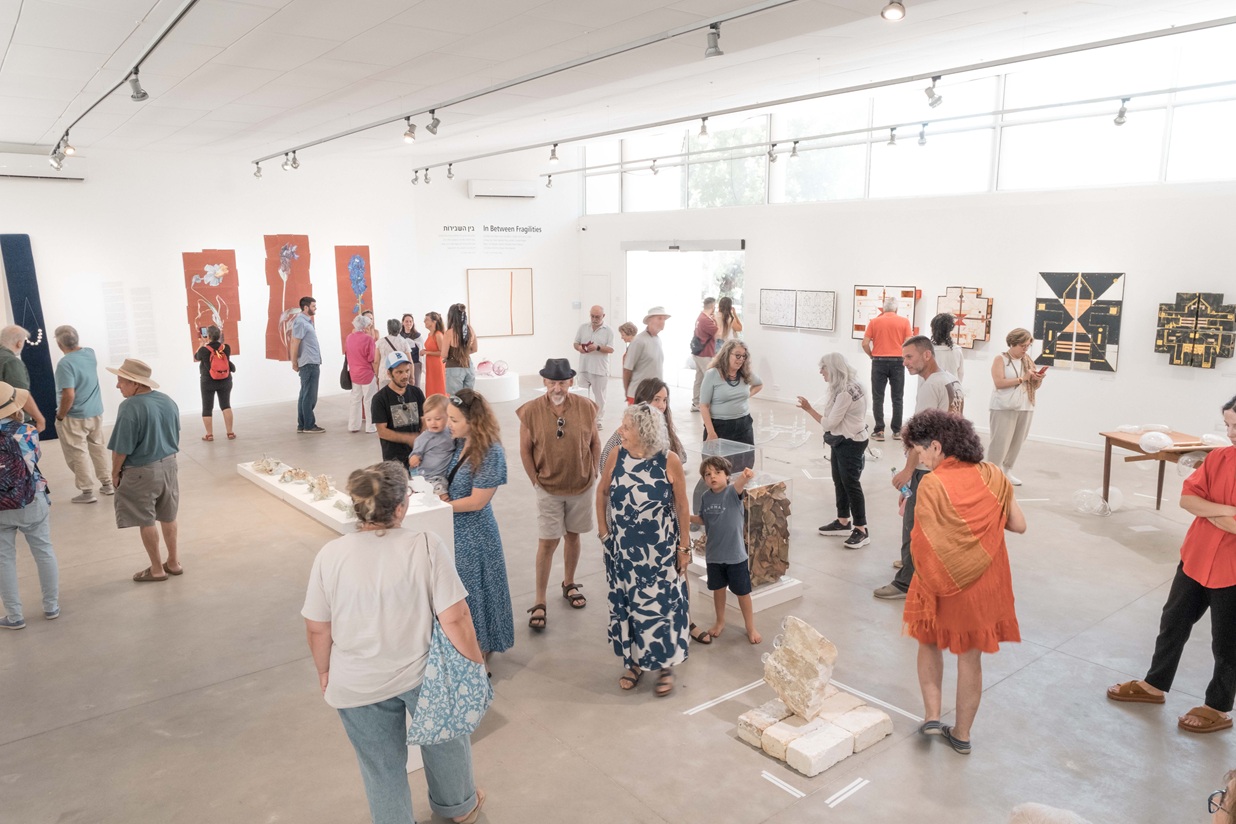
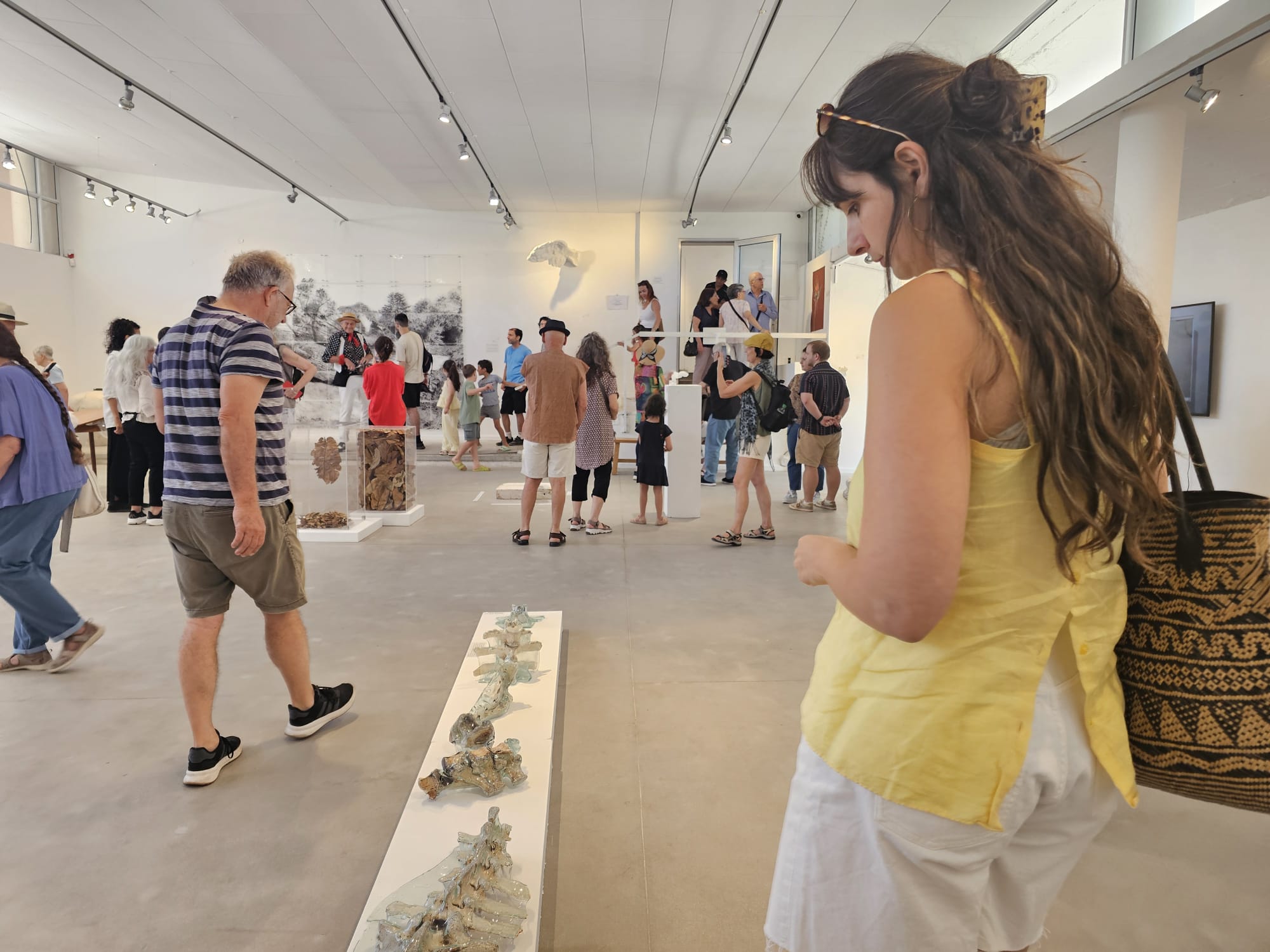
התערוכה "בין השבירוֹת" מתייחסת בכותרתה להגדרתו העצמית של ישורון. היא מוליכה את הצופה בין מופעי השבירוֹת של הקיום דרך שלושה תתי נושאים: הבית, הגוף והסביבה. החומר ומה שמכיל את החומר הופכים כאן לאחד – עץ, זכוכית, שלד או ביצים; השבר אינו עוד מצב, אלא תכלית.
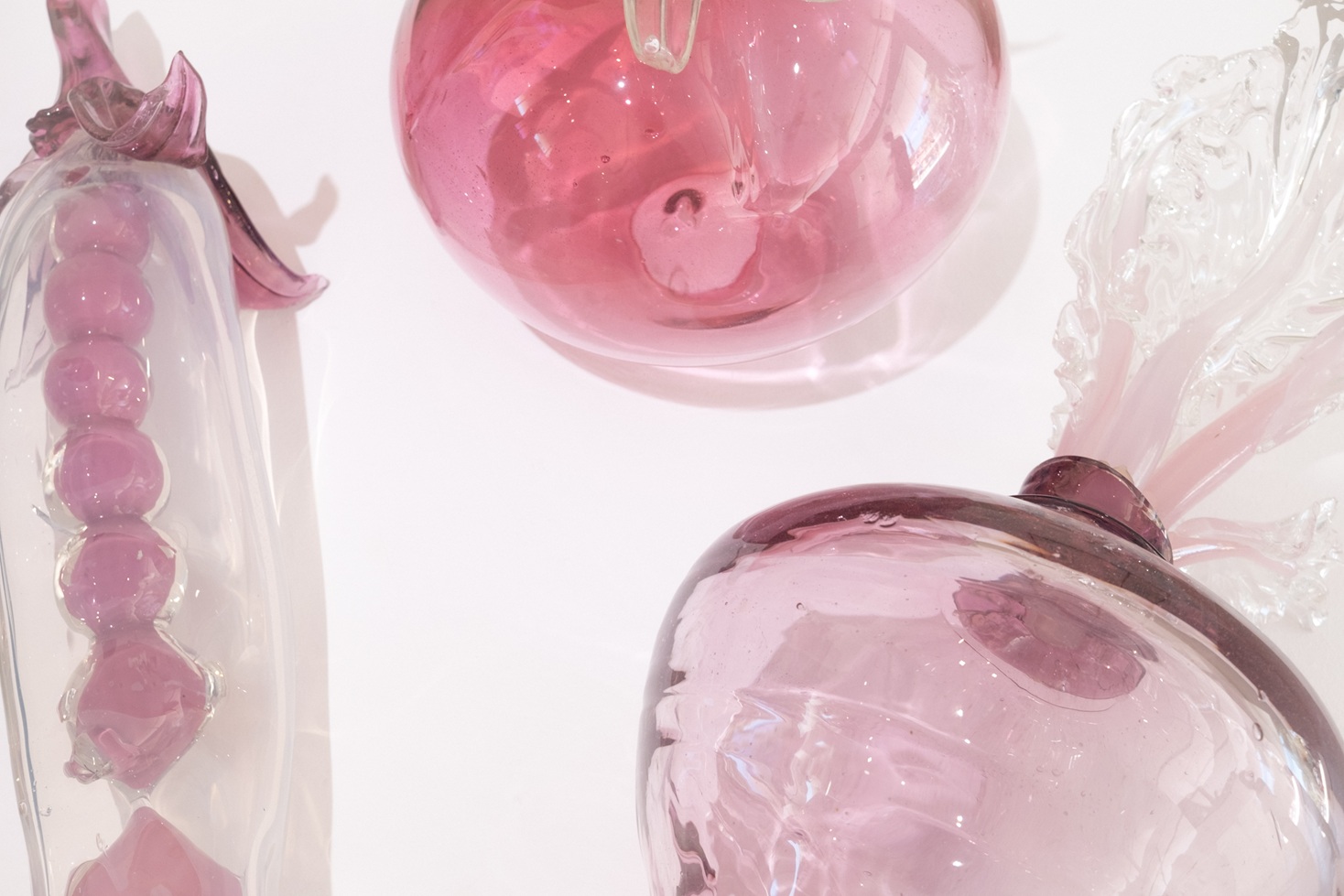
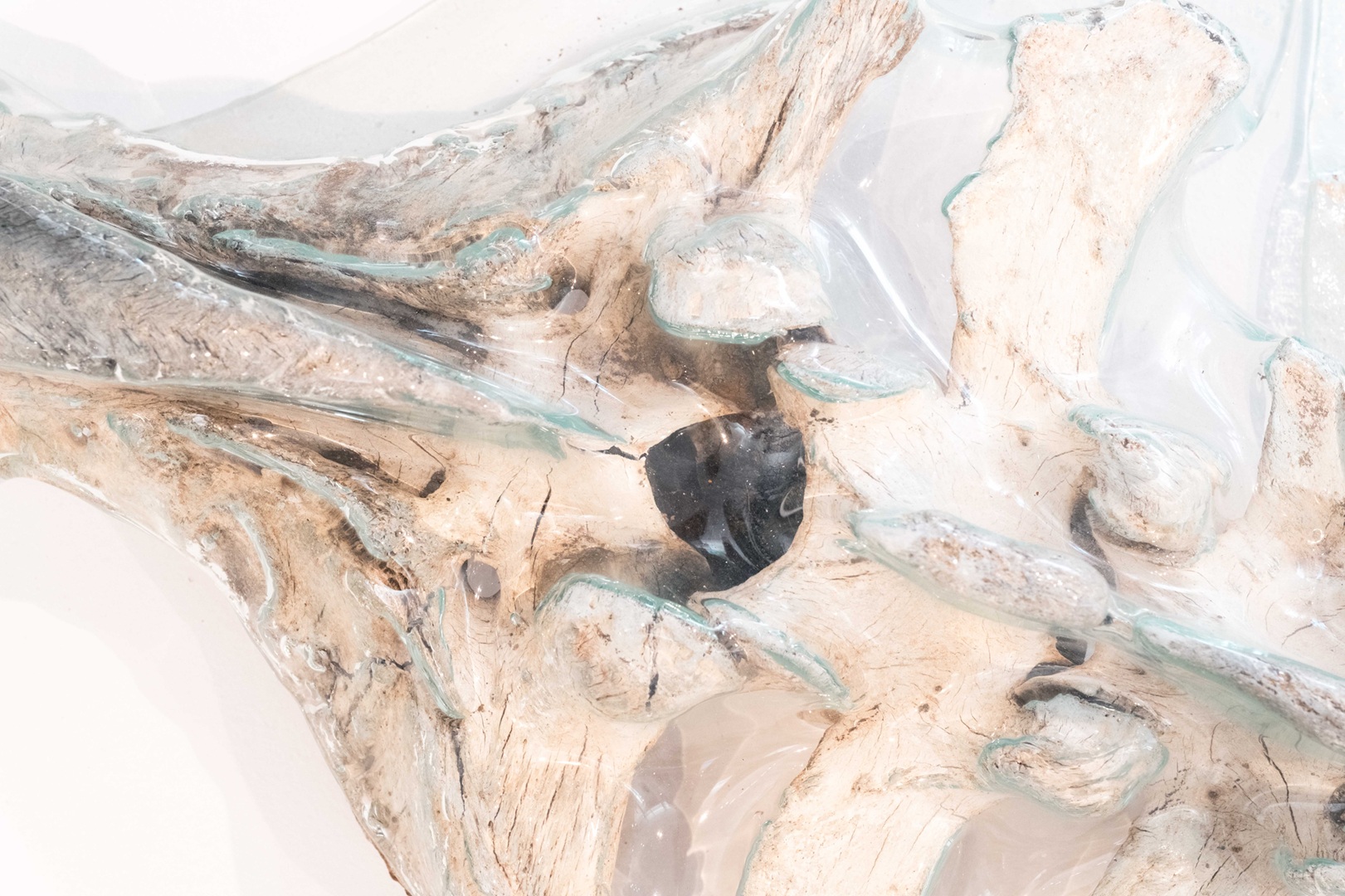
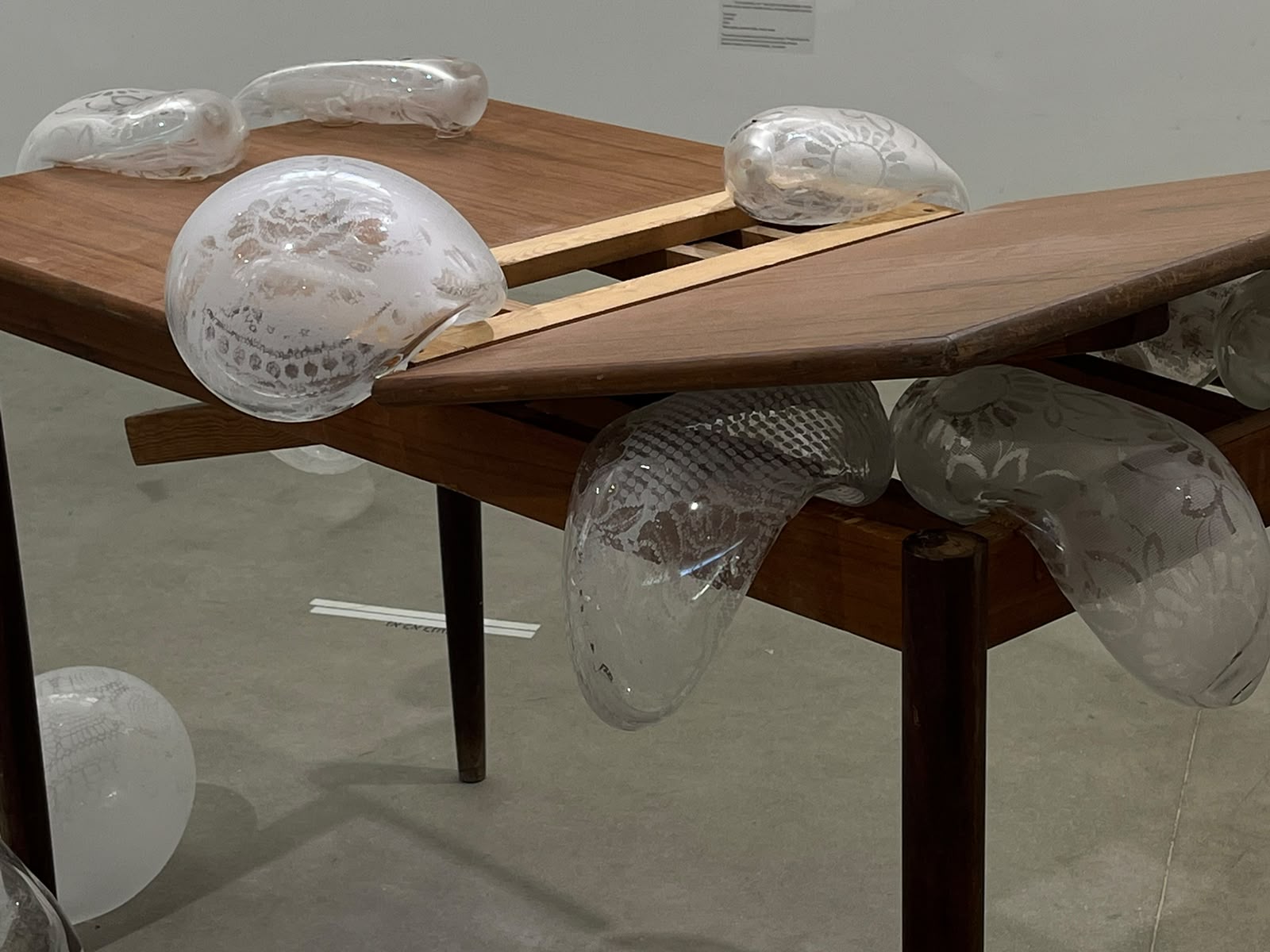
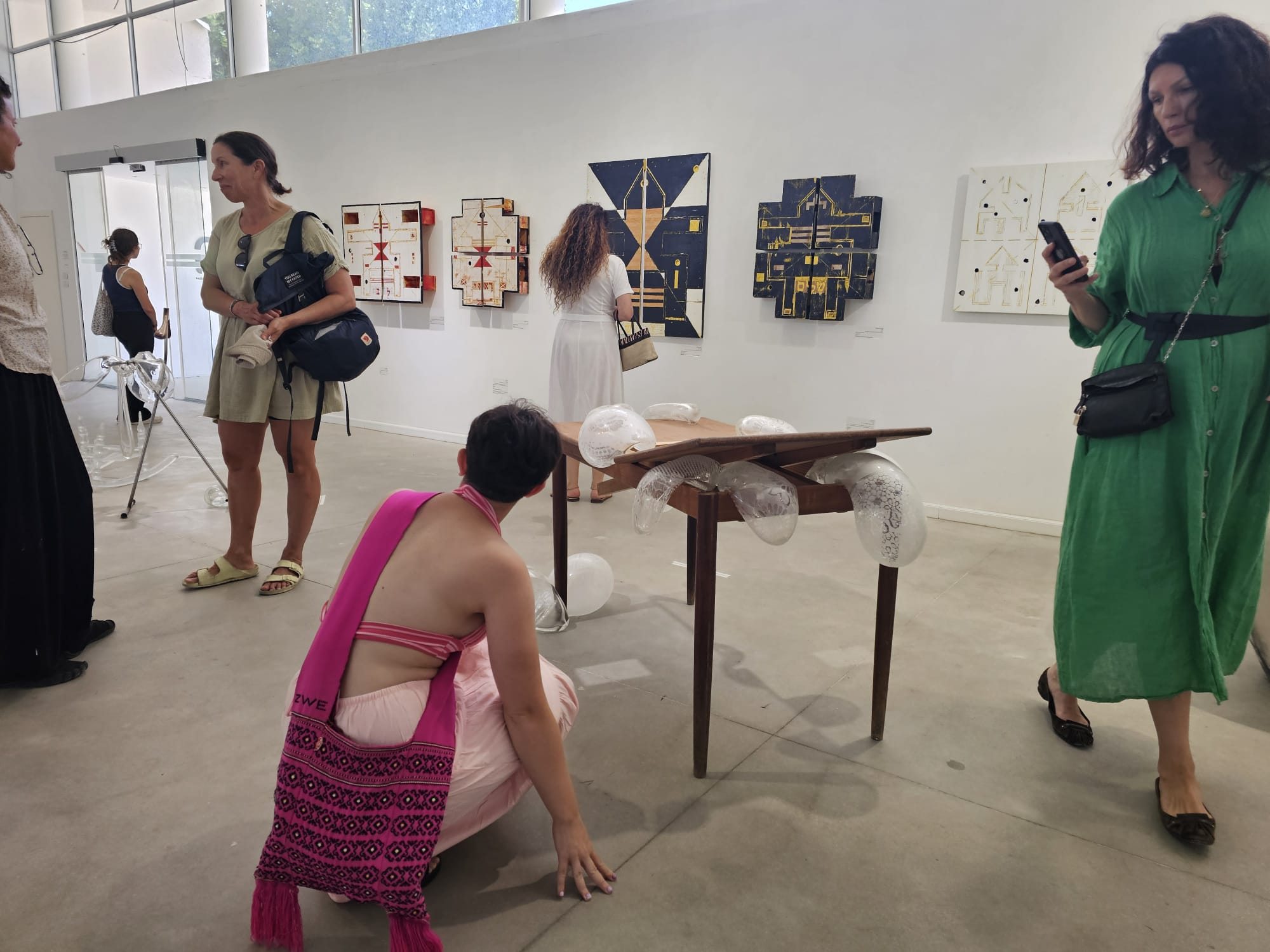
הרהיטים של אליה בלוך הופכים לזכוכית שמאיימת להישבר על יושביו של הבית; כך גם הירקות של נועה למדן שנופחו לקנה מידה מתעתע ונפיץ. החוליות בסדרת העבודות של בתיה גיל מרגלית נאטמות על ידי לוחות זכוכית – ספק נשמרות, ספק נשברות. כדי הקרמיקה של גילי דיאנה שכטר טבולים חלב ומציבים מראה זה לזה, מתייחסים לרפת ששרדה שריפה בשבעה באוקטובר בעוטף עזה.
הגיבורים קופאים כמו זכוכית – מטים להישבר. בעבודתו של אמיר כהן, "קיפאון גיבורים", מתוך מקבץ עבודות שנע בין שמיים לארץ. ומעליהם מרחפת השפה, מרחפות האותיות. "מציאות שברירית", אומרים הפרשנים במהדורות החדשות, על מציאות החיים בישראל – הפסקת האש שברירית, דברי המנהיגים סדוקים. אך ישורון, בראש ובראשונה, שבר את המילים עצמן:
"אומרים לי: איזה עברית אתה כותב פה? מה אתה מקשקש, שובר, שובר. מי שׂמך לשברן השפה? רבותַי, אני לא שובר. אני כותב מה שנֶאמר בי […] אני כותב בשפה שיש בה כל מה שנערם בעַמנו […] בשבילי זו לא שפה שבורה – בשבילי היא שלמה, כמו הביצה בקליפתה. אני כותב גם את הקליפות וגם את התוֹך".
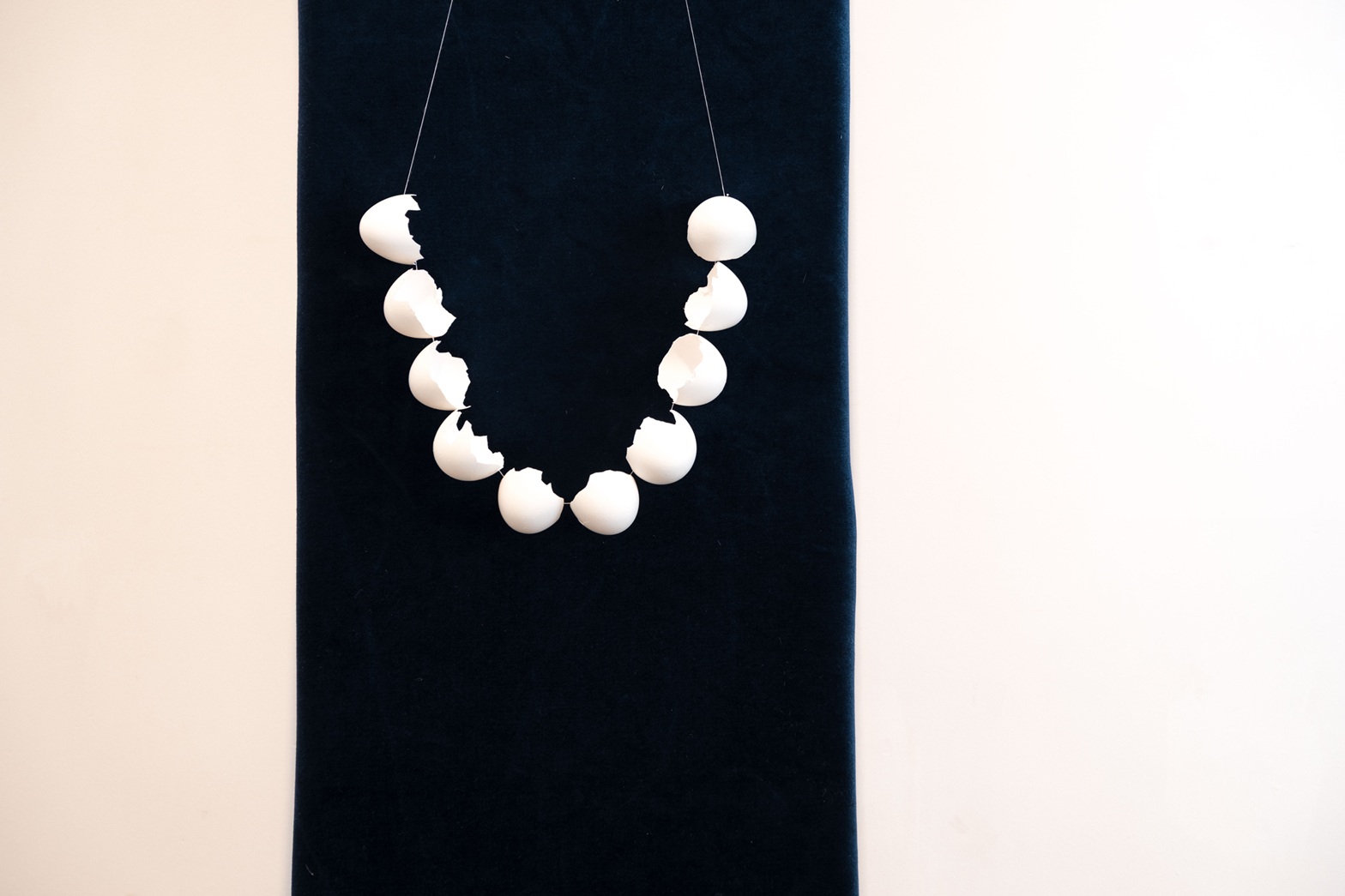
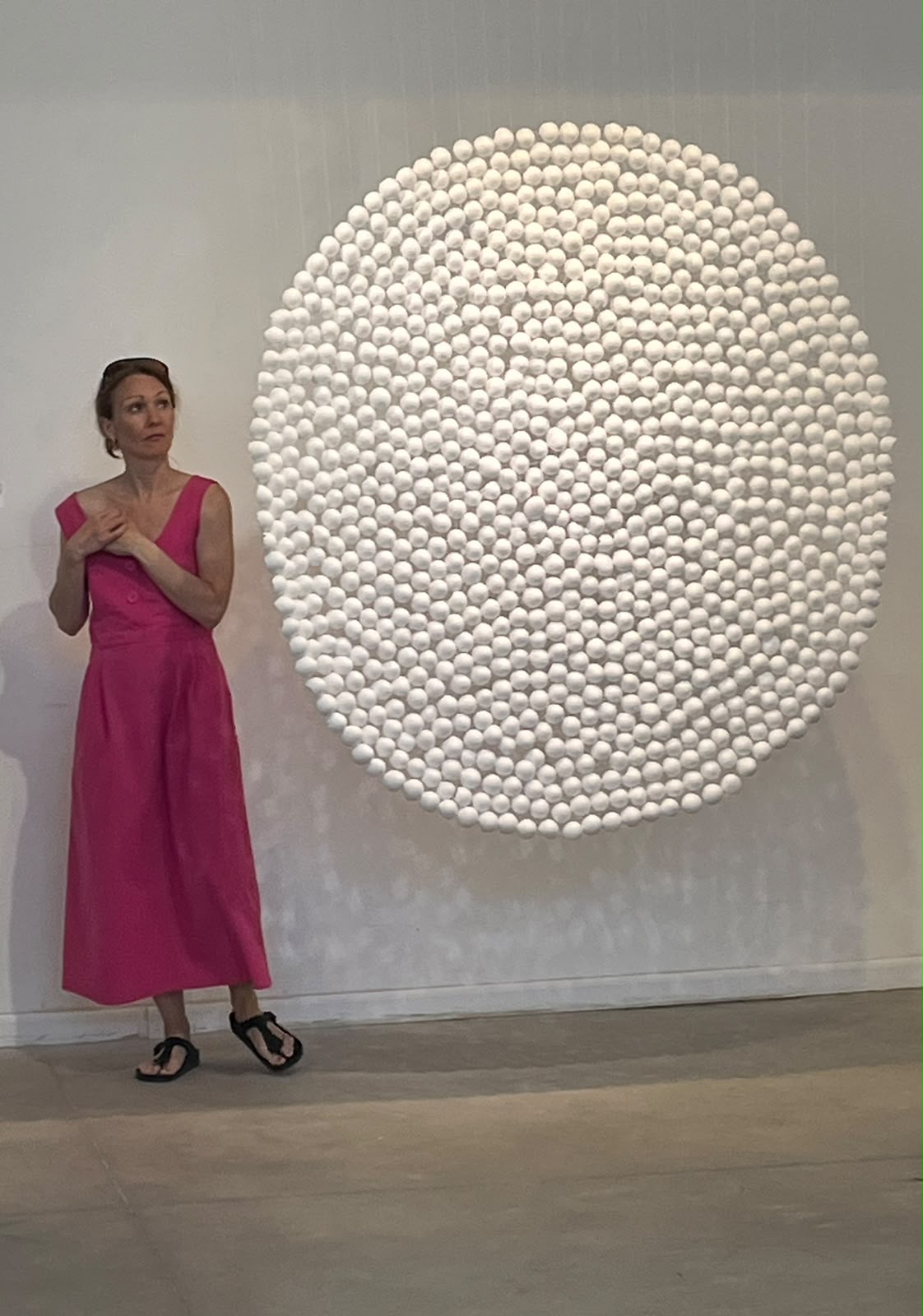
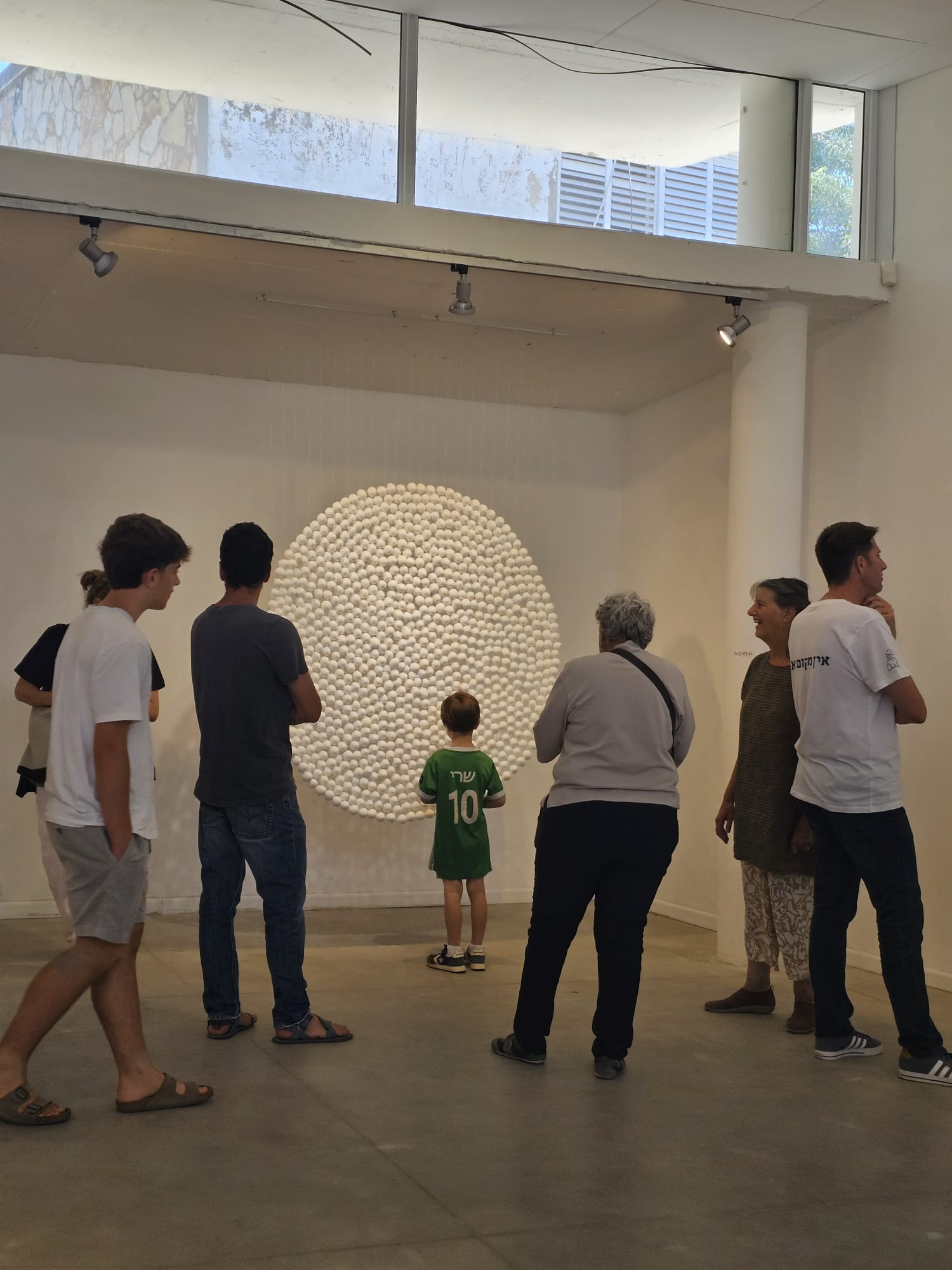
בסדרת העבודות של ניני ורשבסקי נשברים משטחי בנייה שהיו או יהיו בית, ועליהם מוטבעות מילים השבורות לחצאים – האם כדי לחפש משמעות חדשה או כדי להדגיש את השלם השבור? זיוה בן-ערב רבינוביץ מפסלת בחומרים אורגניים פריכים ובוחרת לשזור שברים של קליפות ביצים לכדי לבנה, מעין ירח גדול המאיר שבר בחלל. והיכן הוא התוֹך?
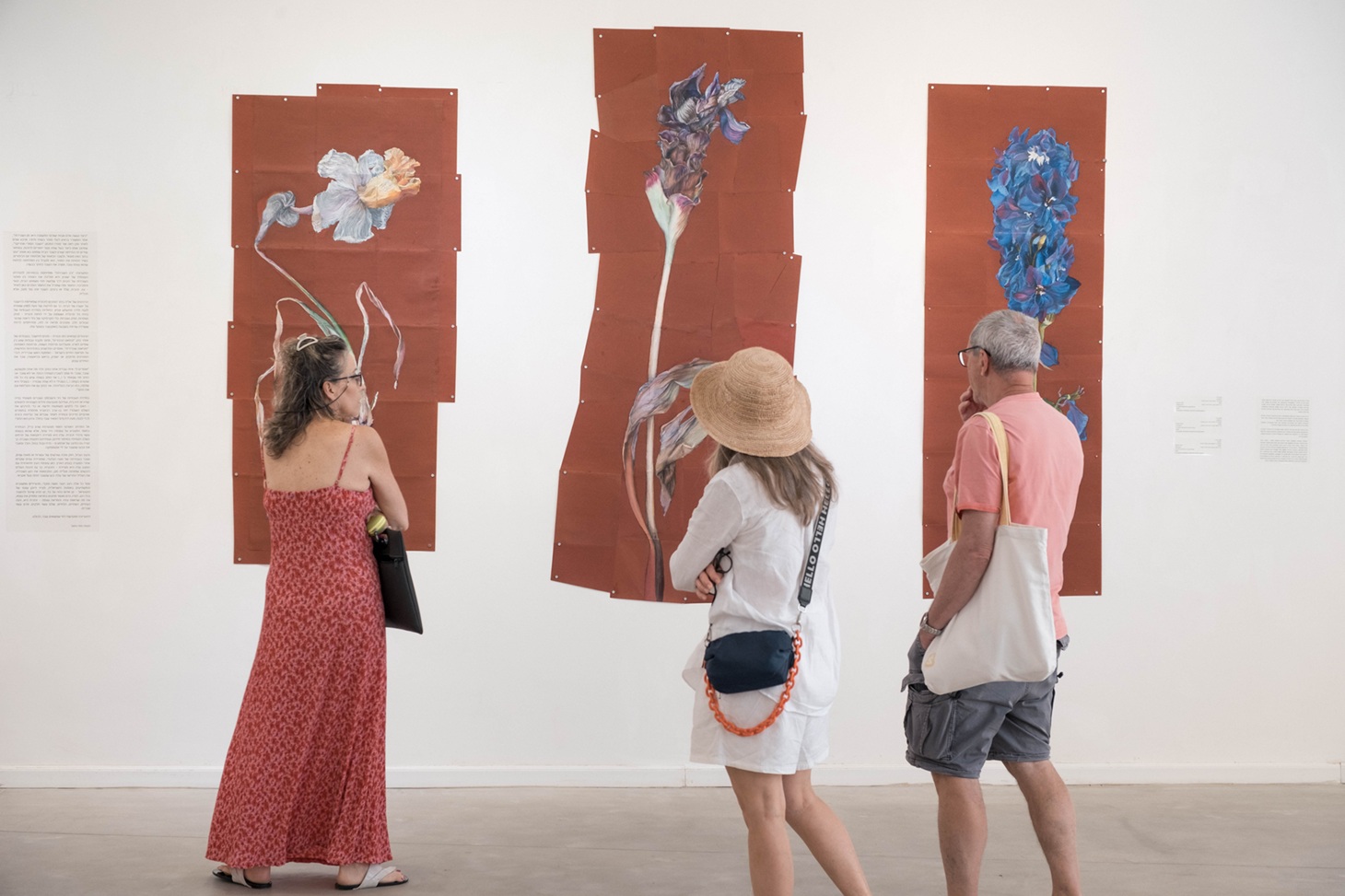
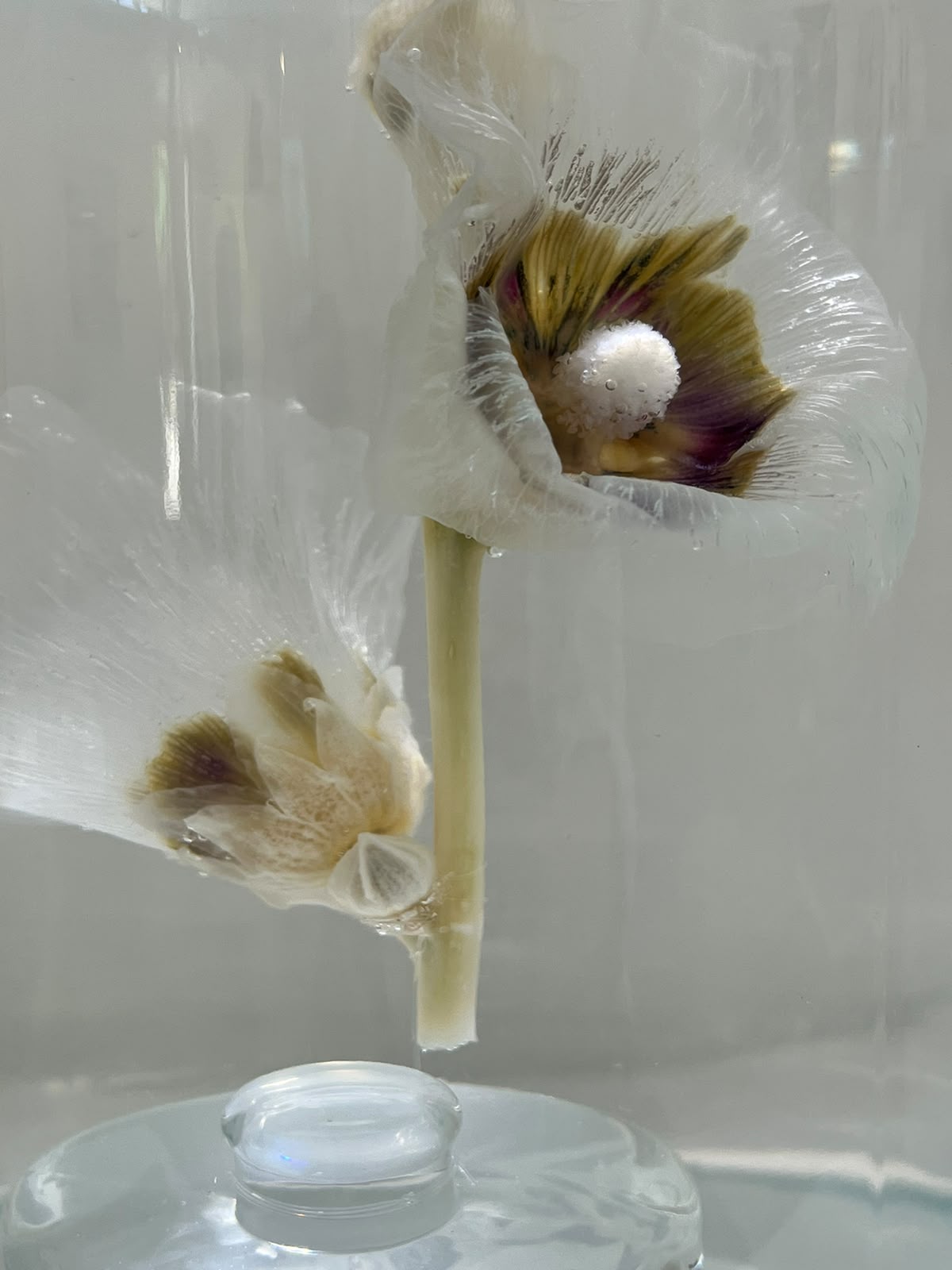
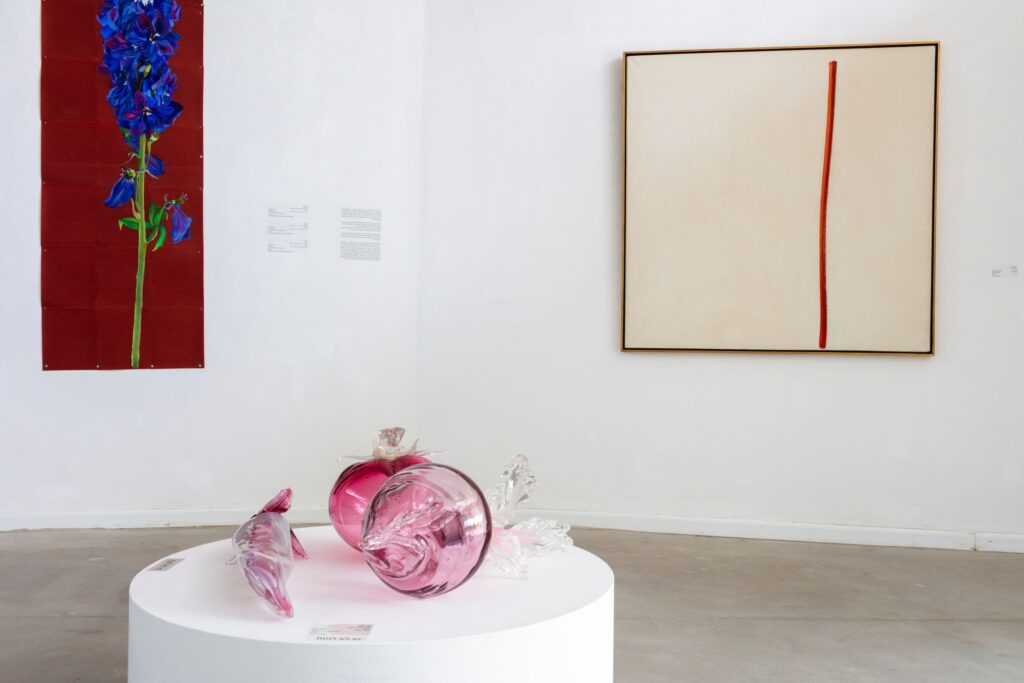
אל המרחב האורגני הזמני מצטרפת שרון בריל, הבוחרת בחומר המצביע על עוצמה: נייר שיוף, אלא שהוא בעצמו עשוי גרגירי זכוכית. עליו היא מציירת דיוקנאות של פרחים בשלב הקמילה במחזור חייהם, ועמידתם הזקופה נשברת. כך קורה גם במיצב של אלמוג גז – פרח טבול בנוזל, הולך ומאבד את צבעו שנשבר על ידי אקונומיקה.
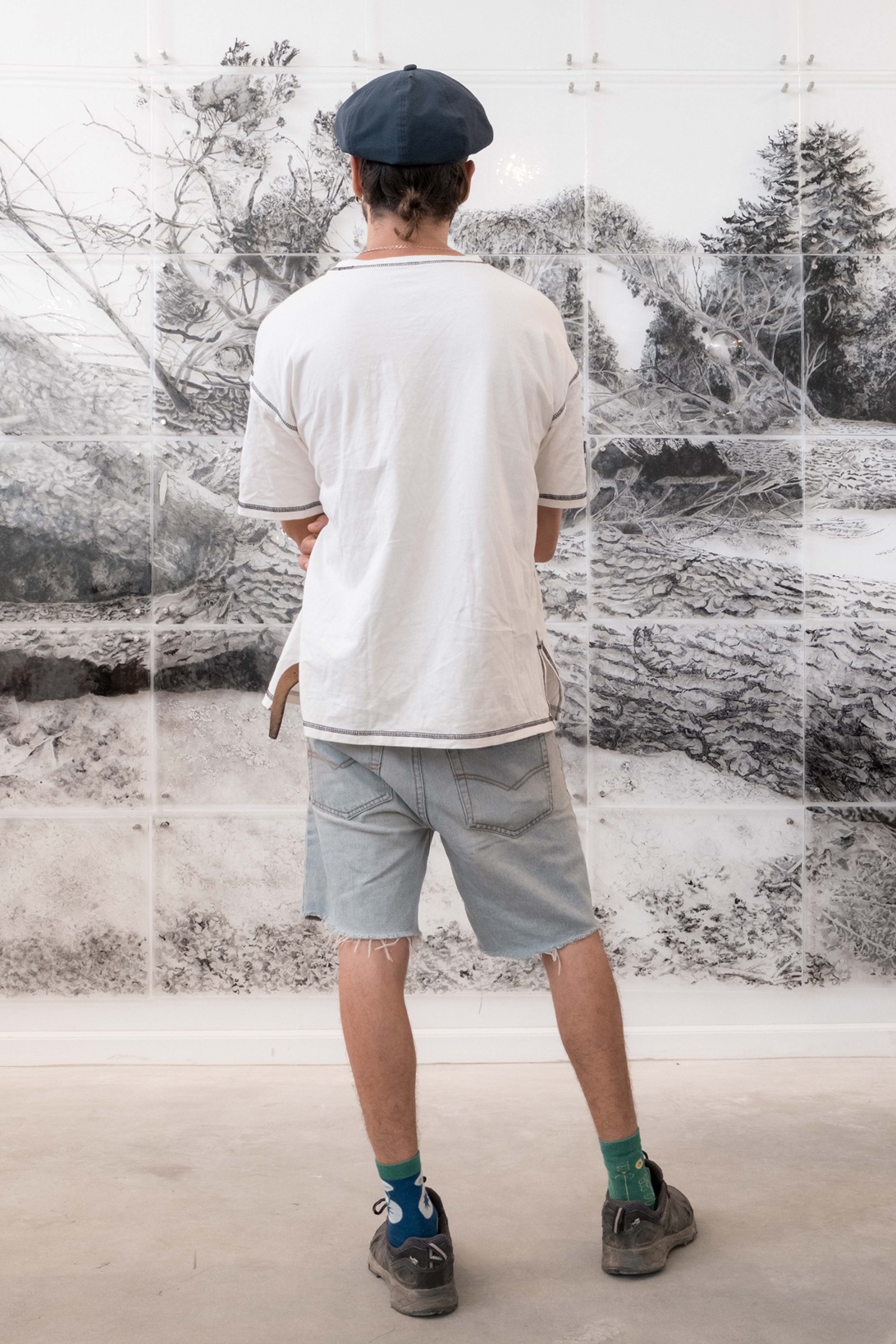
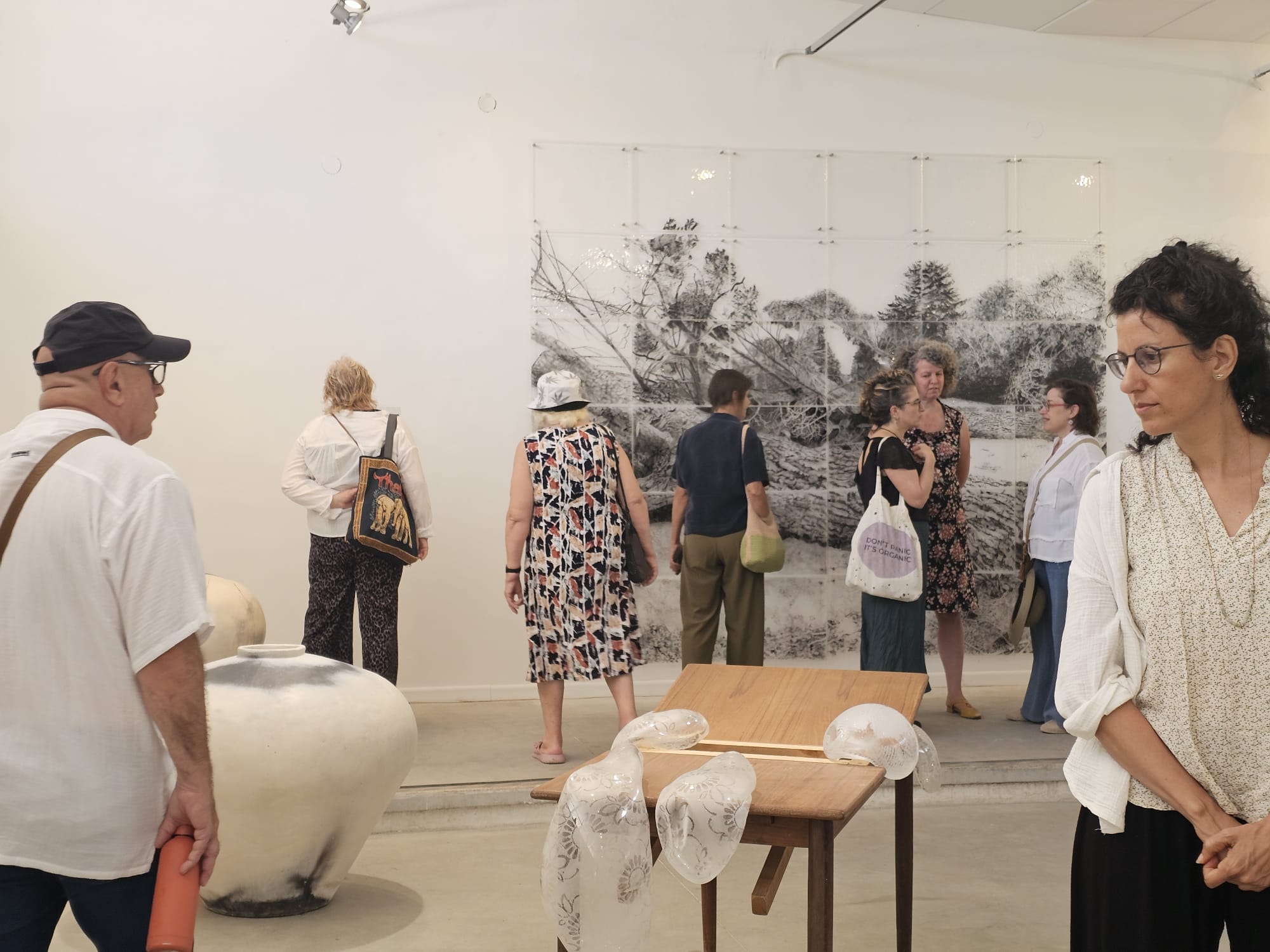
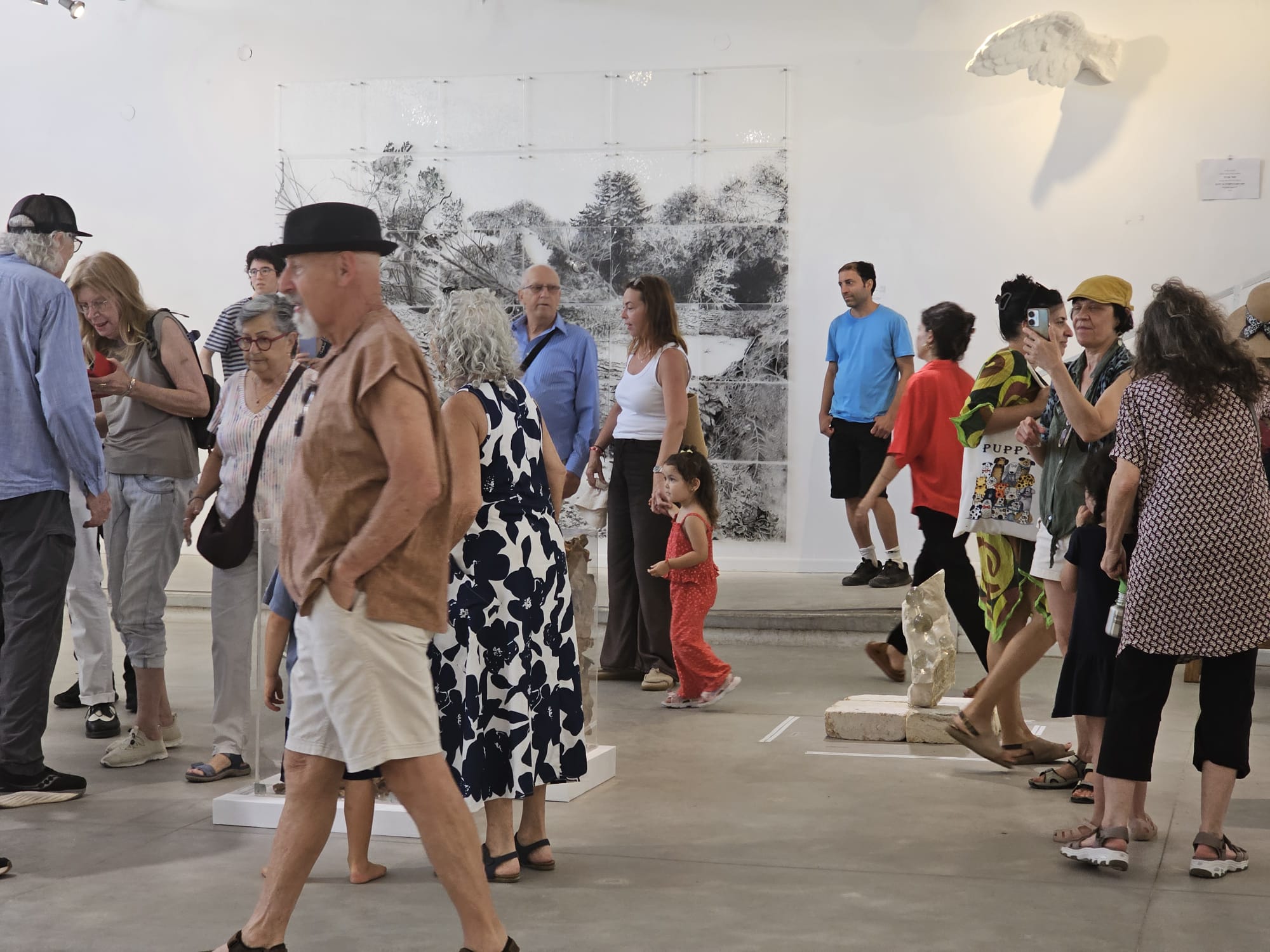
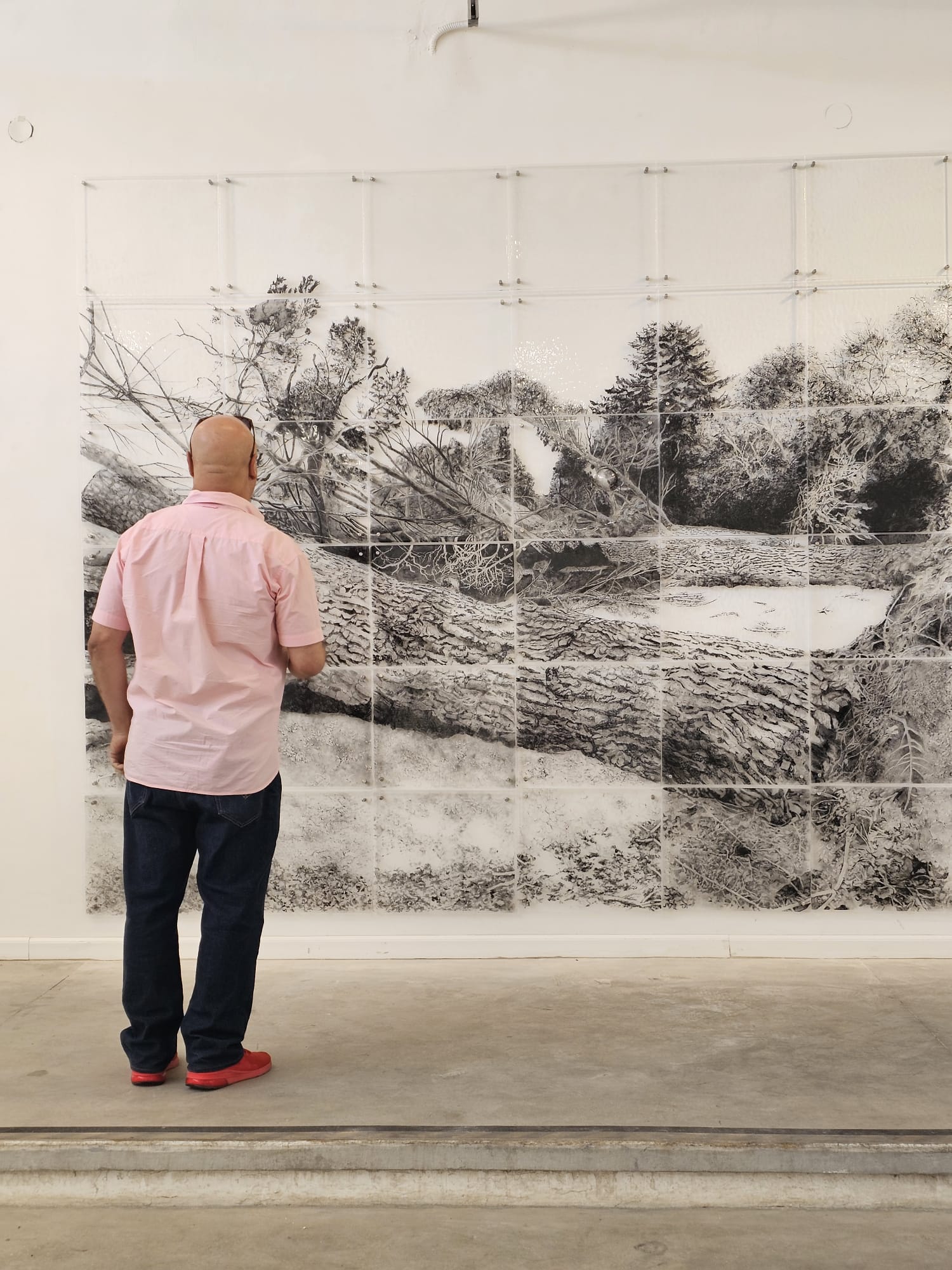
והעץ הגדול, חזק ומכה שורשים של עשרות שנים, נשבר בעבודתה של נועה הגלעדי, שמציירת גזעים שבורים בצפון הארץ. כאן עוצמת העץ מתאחדת ברגע אחד עם המצע עליו היא מציירת – הזכוכית. כך גם תיבות העלים היבשים שמציגה אנלייה מגן, המבטאות את רגע השבירה, את הצליל החרישי של עלה יבש שנשבר תחת צעד אקראי.
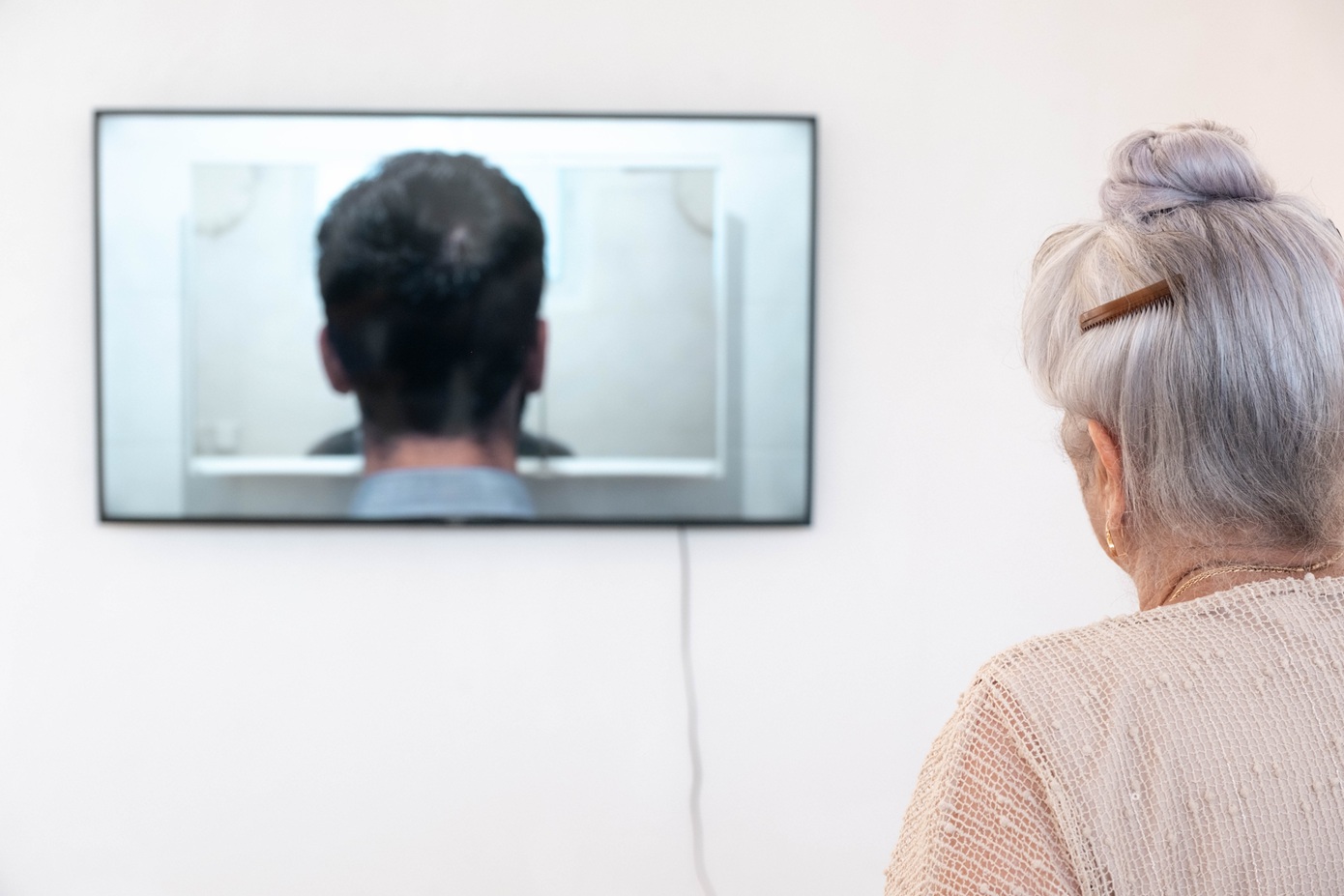
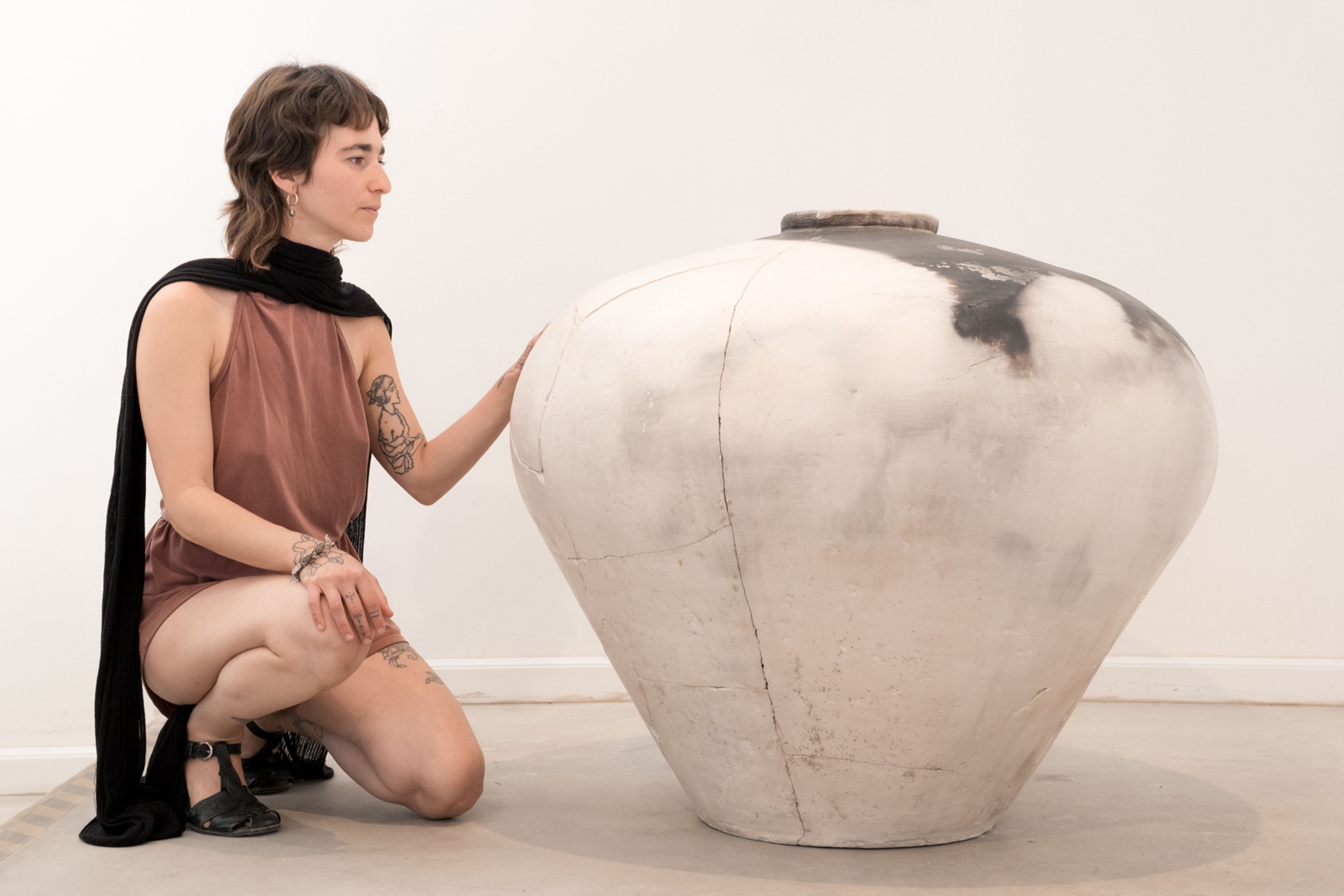
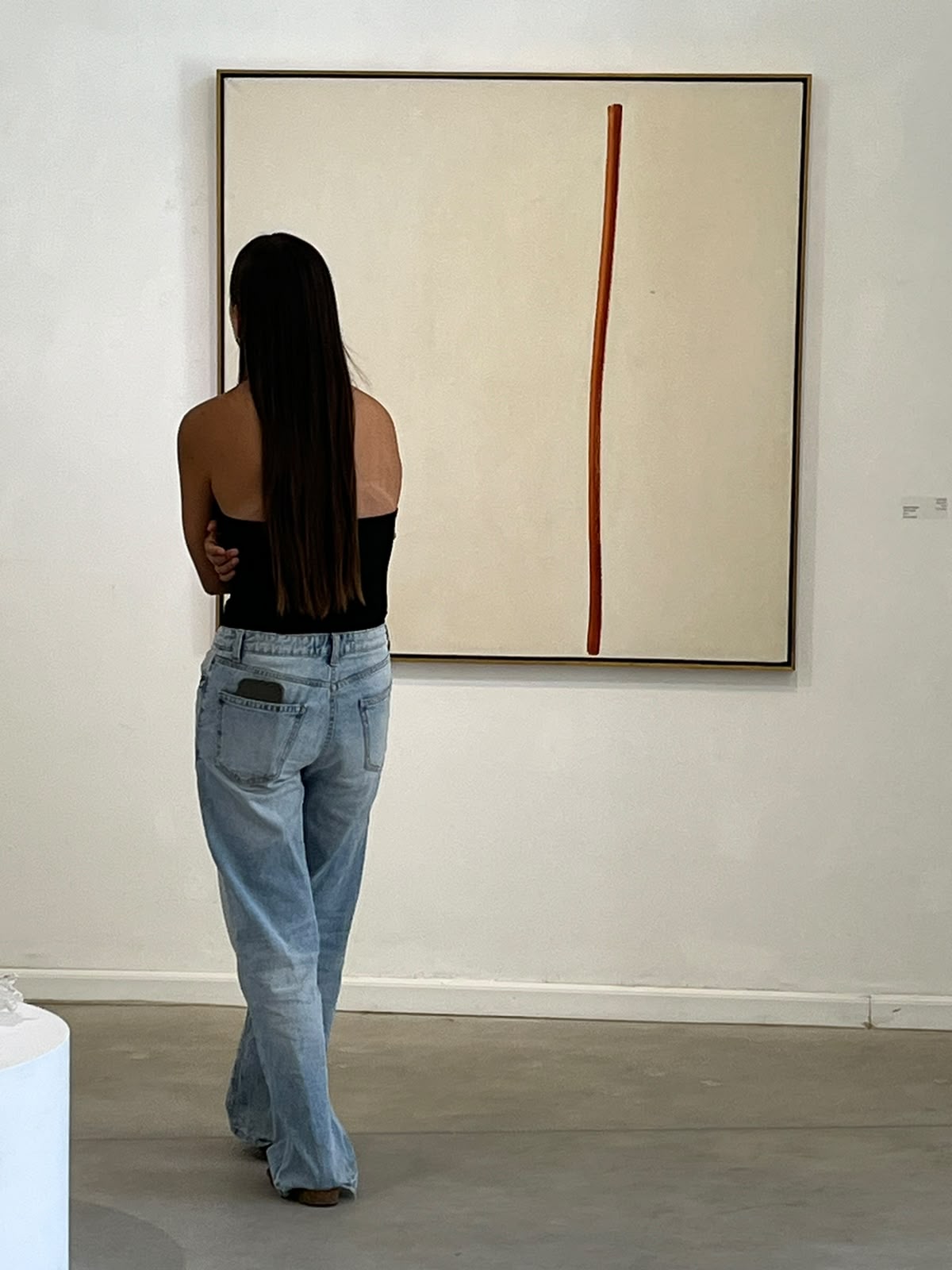
ומול כל אלה ניצב הגוף. משה מוקדי, מהציירים החשובים והמשפיעים באמנות הישראלית, מצייר דיוקן עצמי של פוטנציאל – קו אדום כהה על בד, קו פגיע שיכול להישבר בכל רגע. לצדו, כרם נאטור מתבונן במראה ומפרק את עצמו, את מה שרואות עיניו. והמראה עצמה – זכוכית היא, והנה העיניים, השיניים, הלחיים. שלם עשוי חלקים, אדם עשוי שברים.
צילומים: ענבל קנפו, הילה כרמל, אורית סימן טוב
עיצוב הזמנה: תמר לצרוס
in Between Fragilities
Ein Hod Art Gallery
June 6 – October 3, 2026
Curator: Zeela Kotler Hadari
Participants: Ziva Ben-arav Rabinuvizh, Elia Bloch, Sharon Brill, Amir Cohen, Almog Gez, Noa Hagiladi, Noa Lamdan, Analia Magen, Batya Gil Margalit, Moshe Mokady, Karam Natour, Gili Diana Shechter, Nissan Warschawski
"How does a person become Avot Yeshurun? The answer is: from the breaks," the poet said in an interview with Eli Mohar in 1970. Four years later, his seminal book The Syrian-African Rift was published, establishing him as a creator with a unique language and voice for generations to come.
In this collection of poems, Yeshurun referred to the break of the home he came from and left "in the dead end," and to the national trauma of the Yom Kippur War. In the opening poem of the book, he compares the war to a surgery he is undergoing, placing the break as a cut in his own flesh.
The exhibition "Between Fragilities" takes its title from Yeshurun’s self-definition. It leads the viewer through the manifestations of breaks in existence across three sub-themes: Home, Body, and Environment. Here, the material and what contains it become one – wood, glass, skeletons, or eggs; the break is no longer just a state, but a purpose.
Elia Bloch’s furniture turns into glass that threatens to shatter over the home's inhabitants; the same goes for Noa Lamdan’s vegetables, blown up to a deceptive and explosive scale. The vertebrae in Batya Gil Margalit’s series of works are sealed by glass plates – perhaps preserved, perhaps broken. Gili Diana Shechter's ceramic jugs are dipped in milk and face one another, referencing a cowshed that survived a fire on October 7th in Kibbutz Alumim.
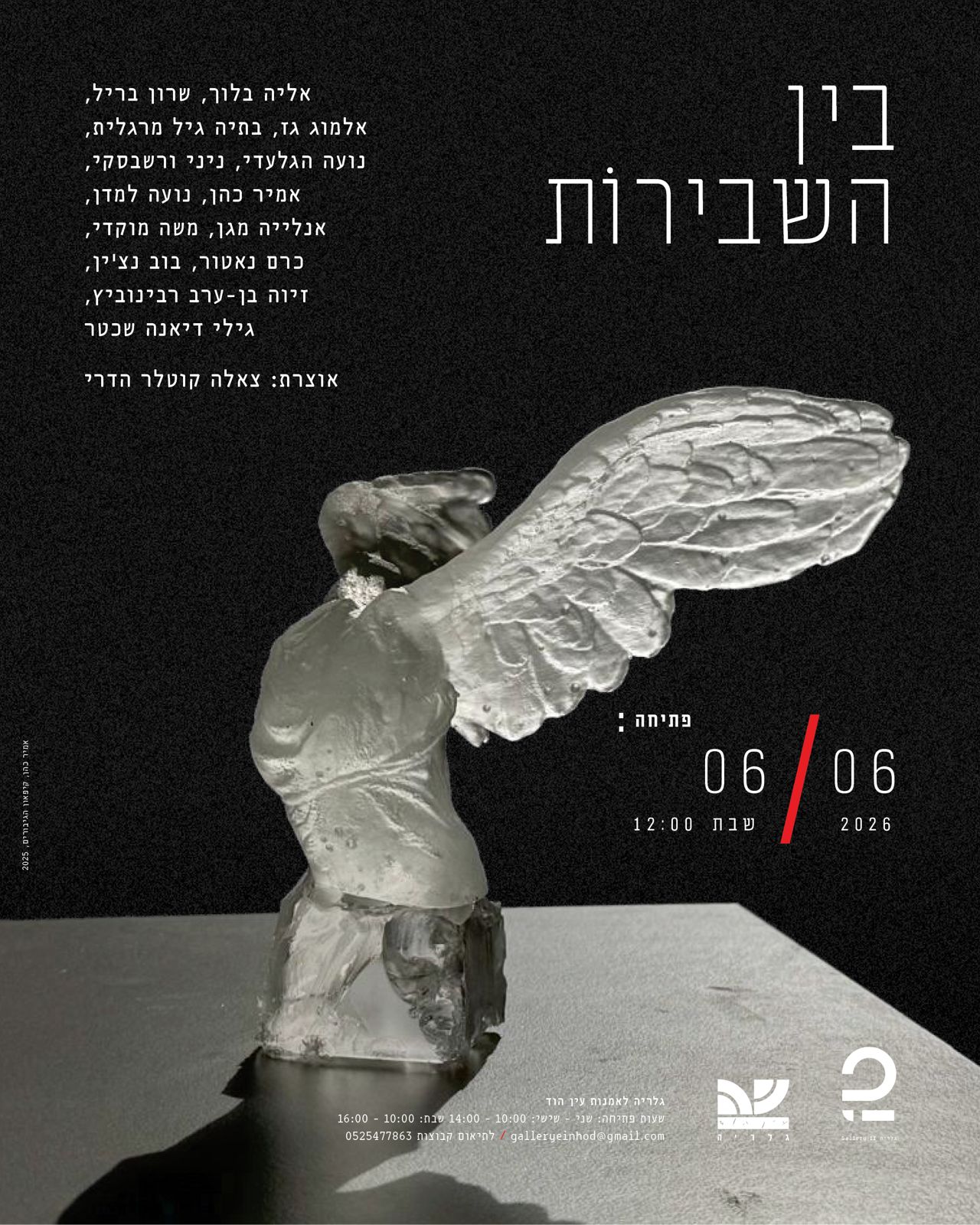
The heroes freeze like glass – prone to breaking, appears in Amir Cohen’s work, Heroes' Freeze, from a collection that moves between heaven and earth. And above them hovers language, hover the letters. "A fragile reality," say the commentators on the news broadcasts about life in Israel – the ceasefire is fragile, the words of leaders are cracked. But Yeshurun, first and foremost, broke the words themselves:
"They tell me: What kind of Hebrew are you writing here? What are you scribbling, breaking, breaking? Who made you the breaker of language? Gentlemen, I am not breaking. I am writing what is spoken inside me […] I write in a language that has everything that has piled up in our nation […] For me, this is not a broken language – for me it is whole, like an egg in its shell. I write both the shells and the inside."
In Nissan Warshavsky’s series of works, construction surfaces that were or will be a home are broken, and on them are stamped words broken into halves – is it to search for a new meaning, or to emphasize the broken whole? Ziva Ben-arav Rabinuvizh sculpts with brittle organic materials, choosing to weave fragments of eggshells into a brick, like a large moon illuminating a break in space. And where is the inside?
Sharon Brill joins this temporary organic space, choosing a material that suggests strength: sandpaper, which itself is made of glass grains. On it, she paints portraits of flowers in the wilting stage of their life cycle. The same happens in Almog Gez's installation – a flower dipped in liquid, losing its color as it is broken down by bleach.
And the great tree, strong and deeply rooted for decades, is broken in the work of Noa Hagiladi, who paints broken trunks in Jezreel Valley. Here, the strength of the tree unites in a single moment with the surface she paints on – glass. This is also true for the boxes of dry leaves presented by Analia Magen, expressing the moment of breaking, the quiet sound of a dry leaf shattering under an accidental step.
And opposite all of these stands the body. Moshe Mokady, one of the most important and influential painters in Israeli art, paints a self-portrait of potential: a dark red line on canvas, a vulnerable line that could break at any moment. Alongside him, Karam Natour looks into a mirror and deconstructs himself, what his eyes see. And the mirror itself – it is glass, and here are the eyes, the teeth, the cheeks. A whole made of parts, a person made of breaks.