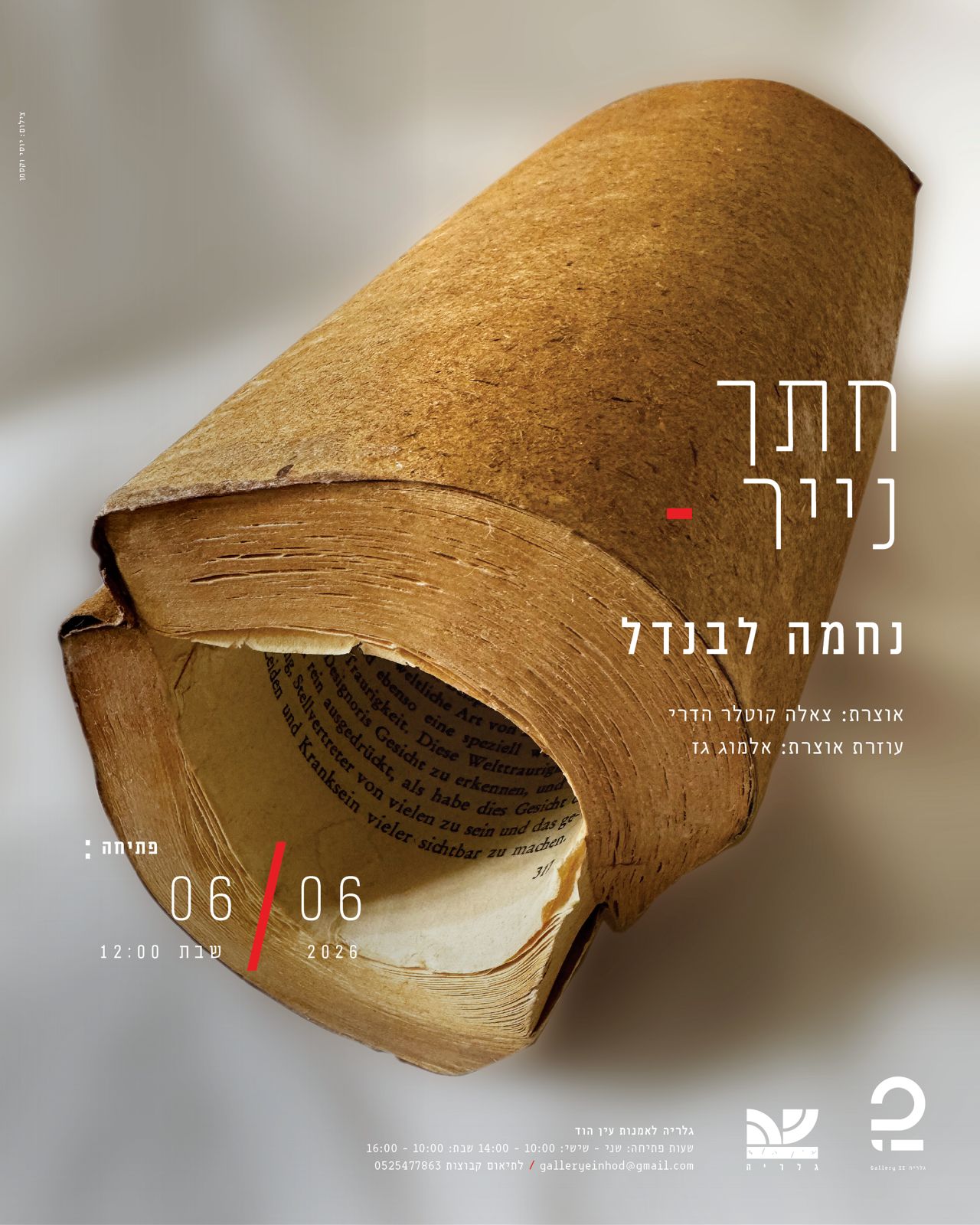
חתך נייר: נחמה לבנדל
גלריה לאמנות עין הוד
6 ביוני עד 3 באוקטובר 2026
אוצרת: צאלה קוטלר הדרי
עוזרת לאוצרת: אלמוג גז
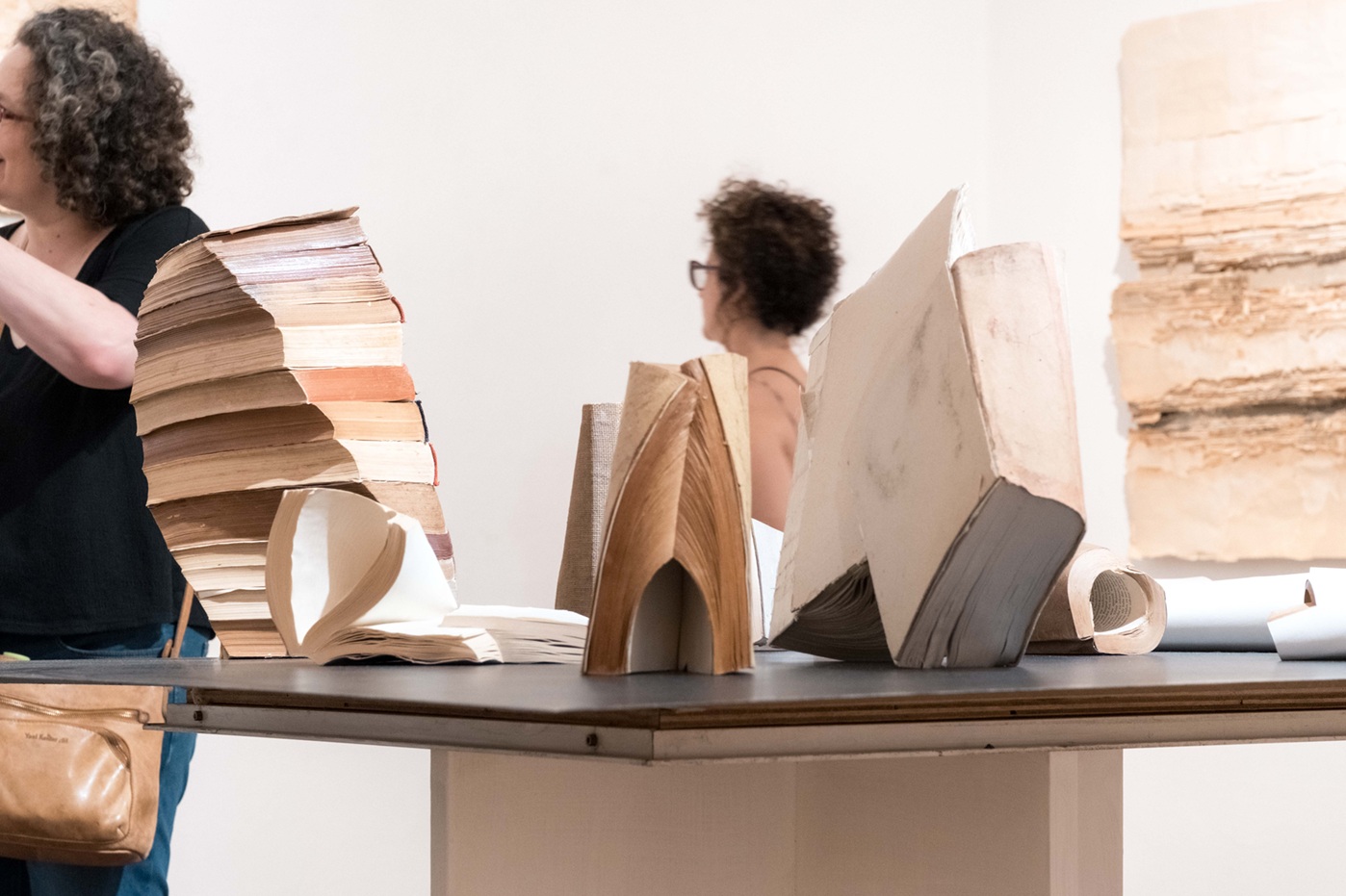
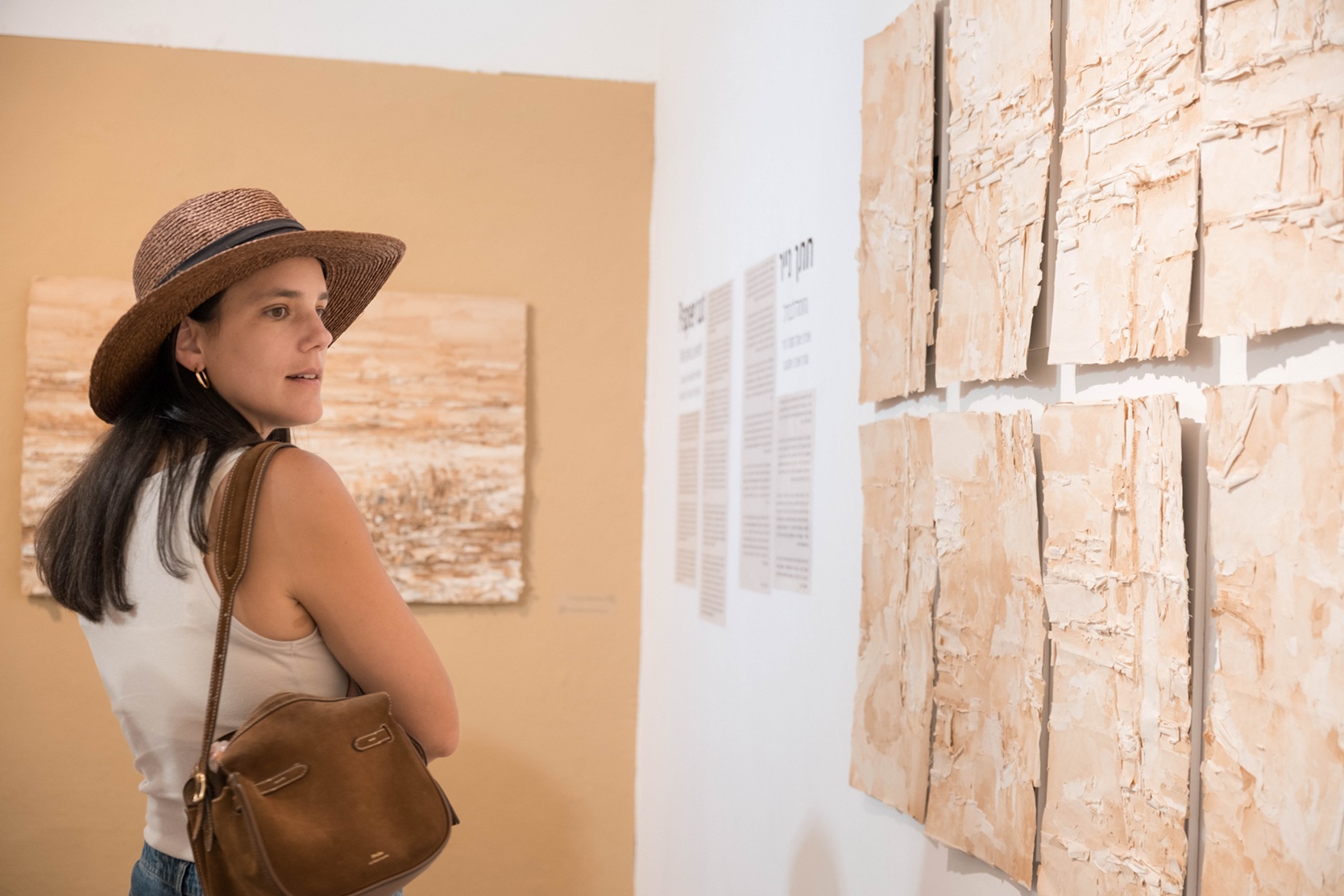
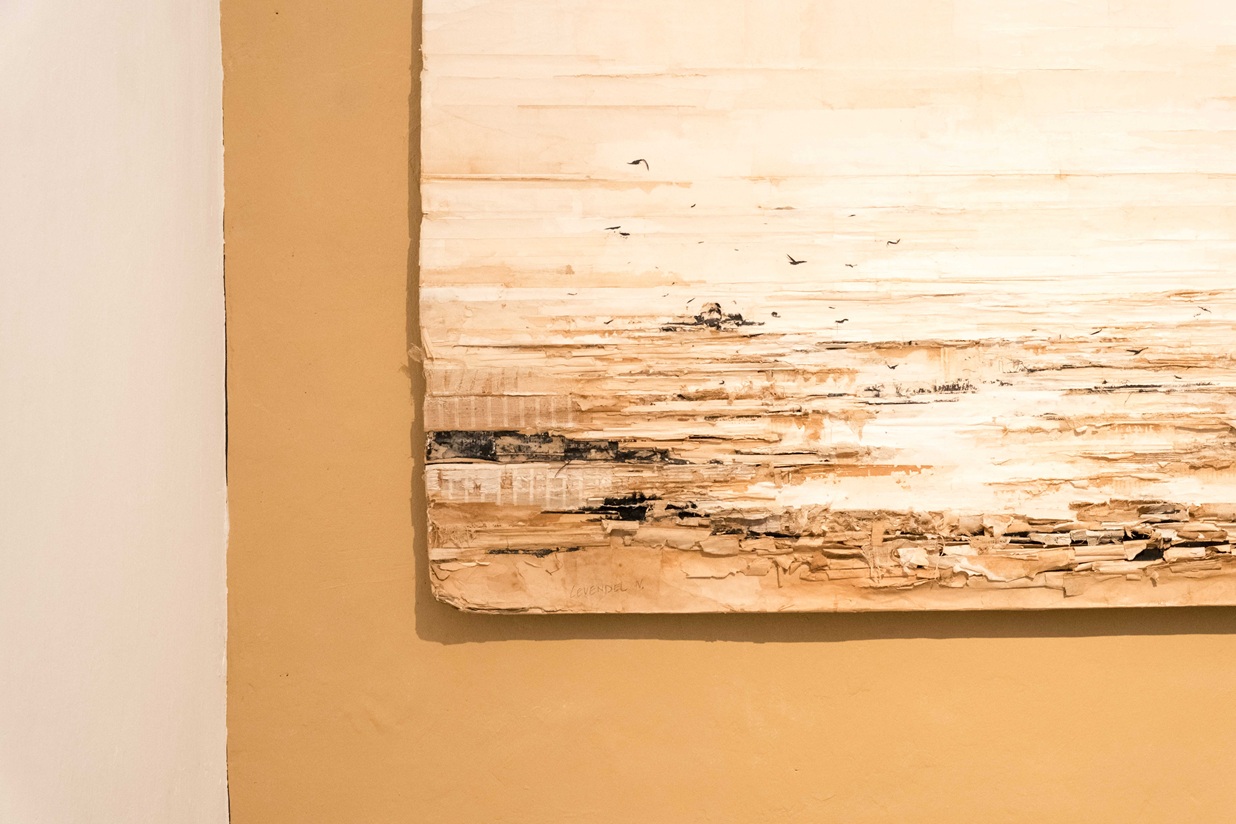
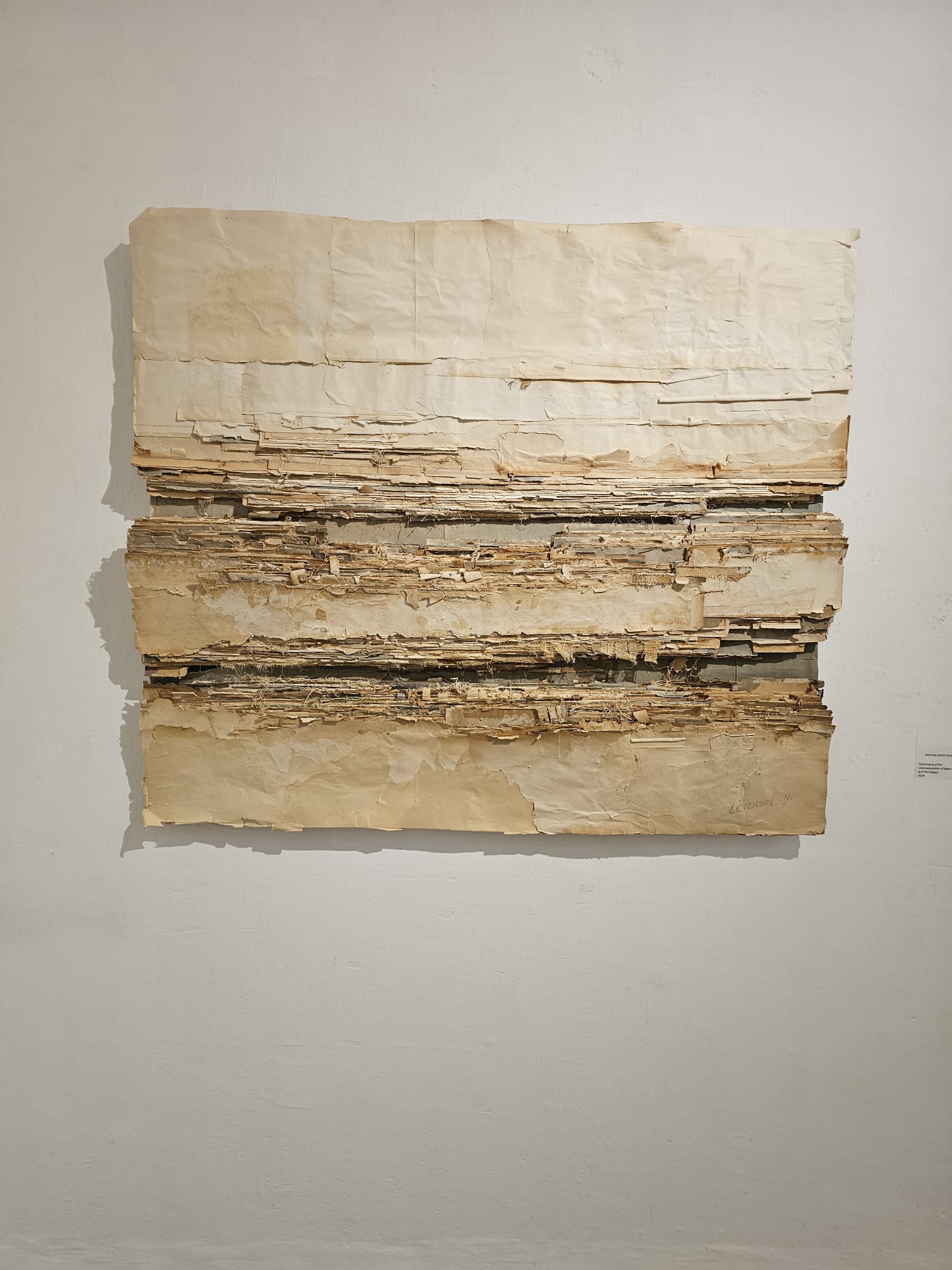
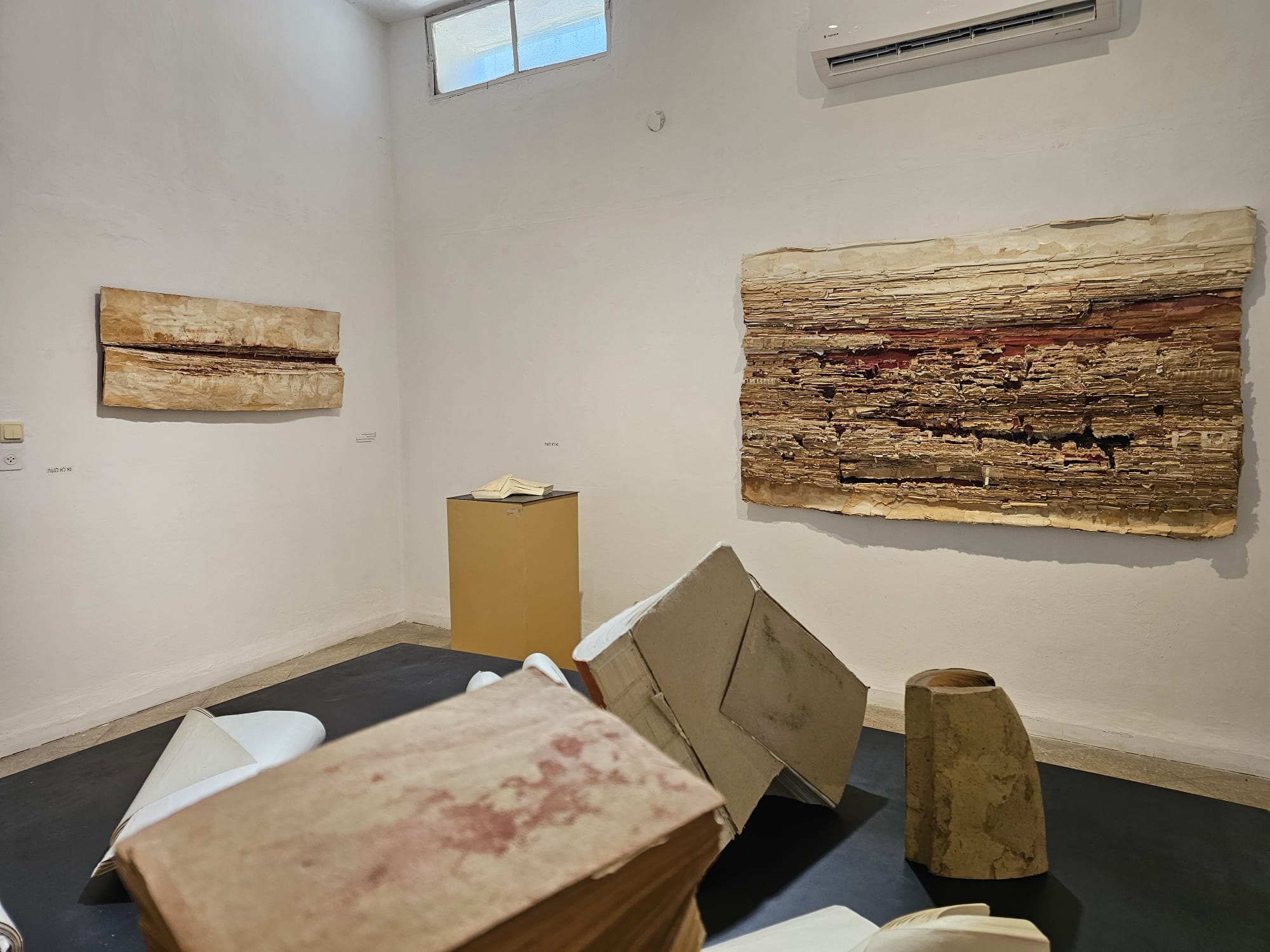
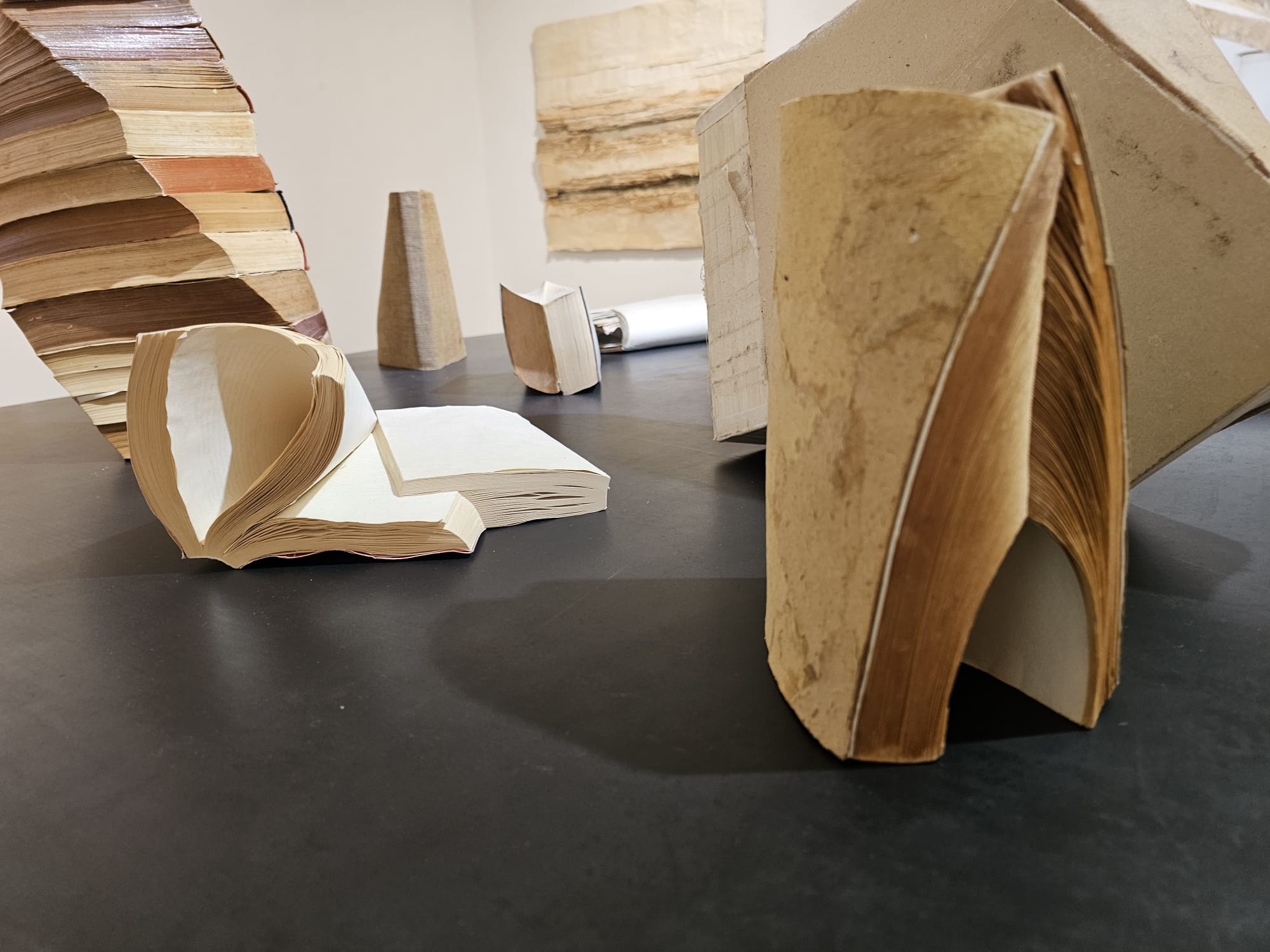
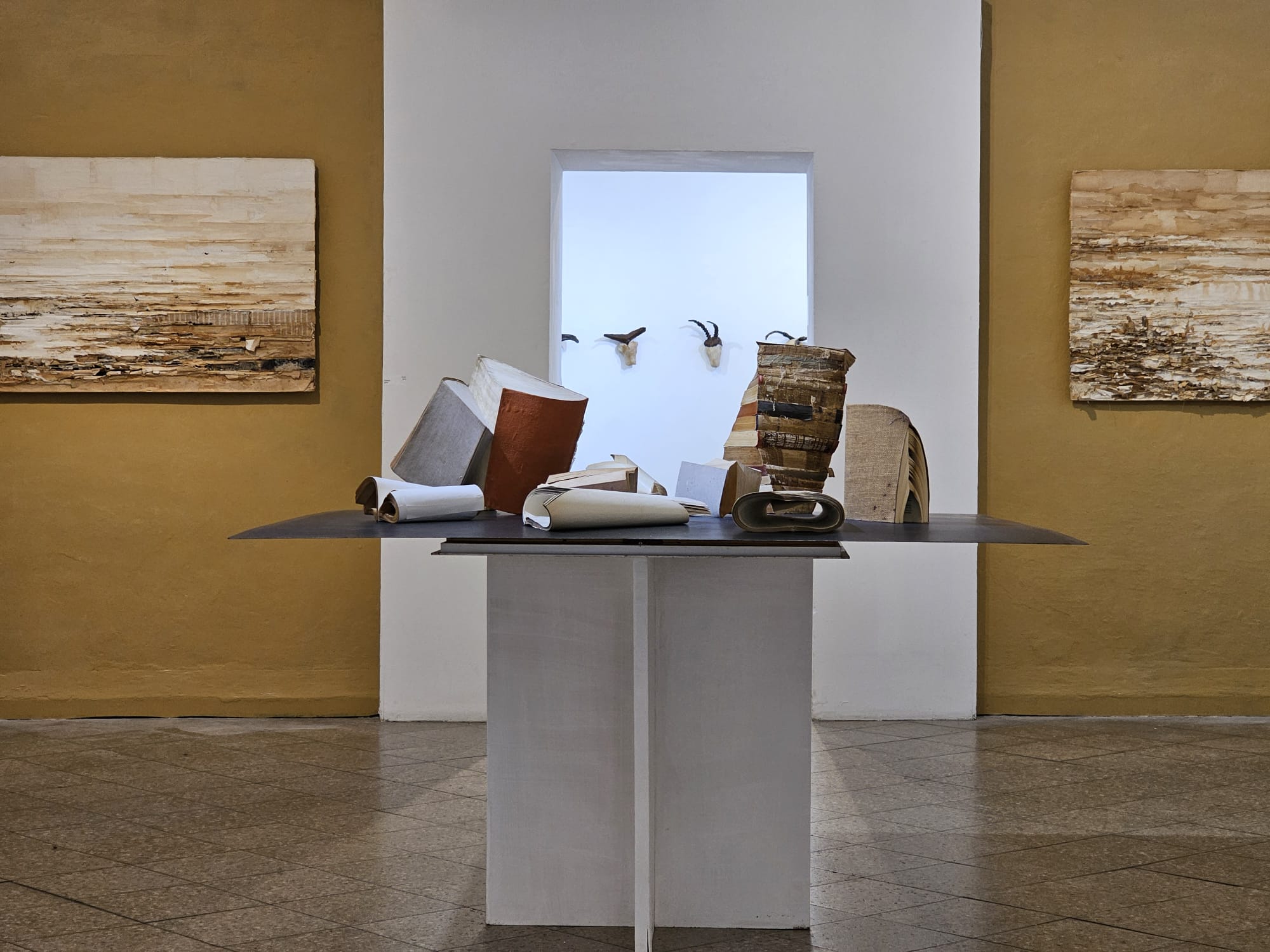
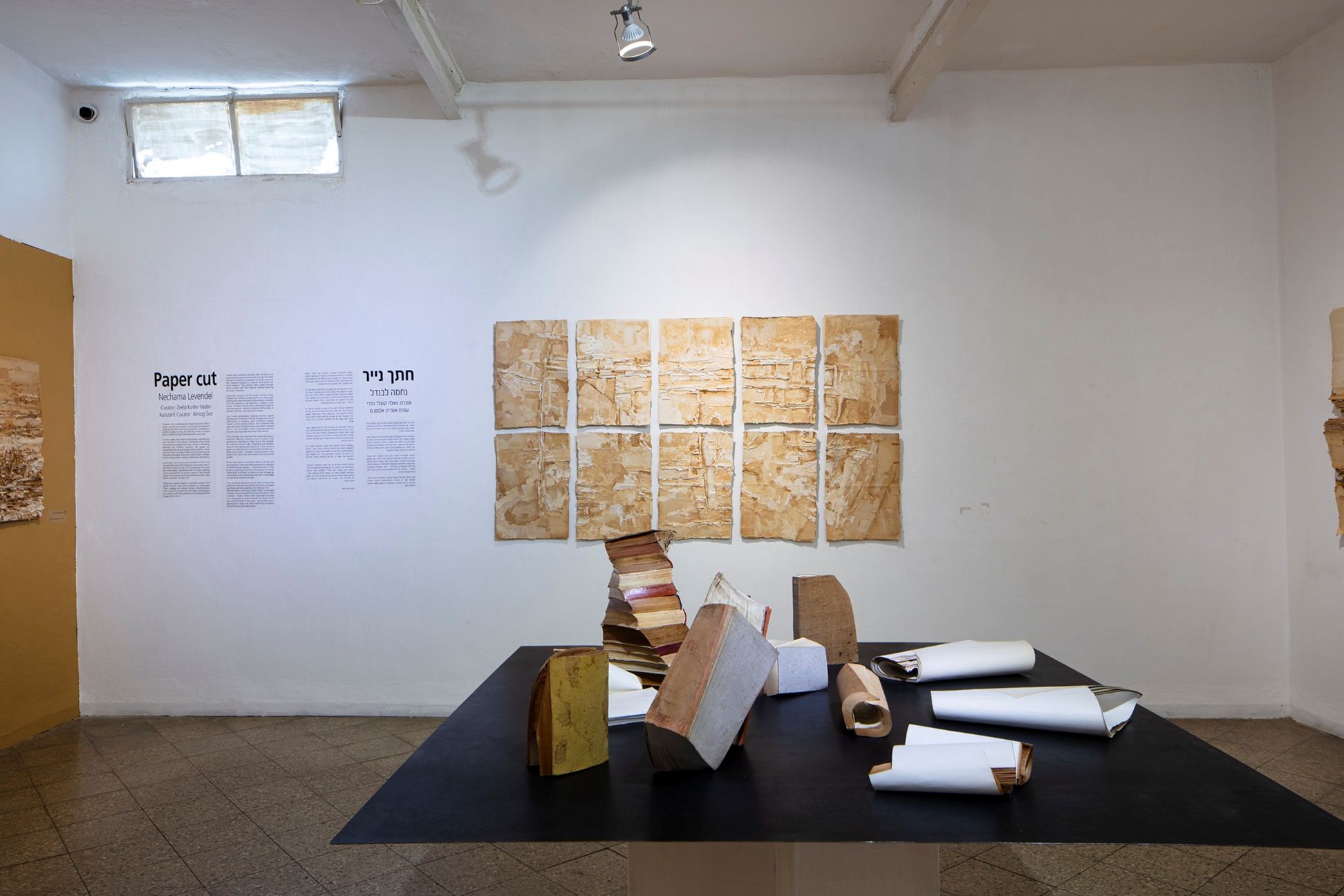
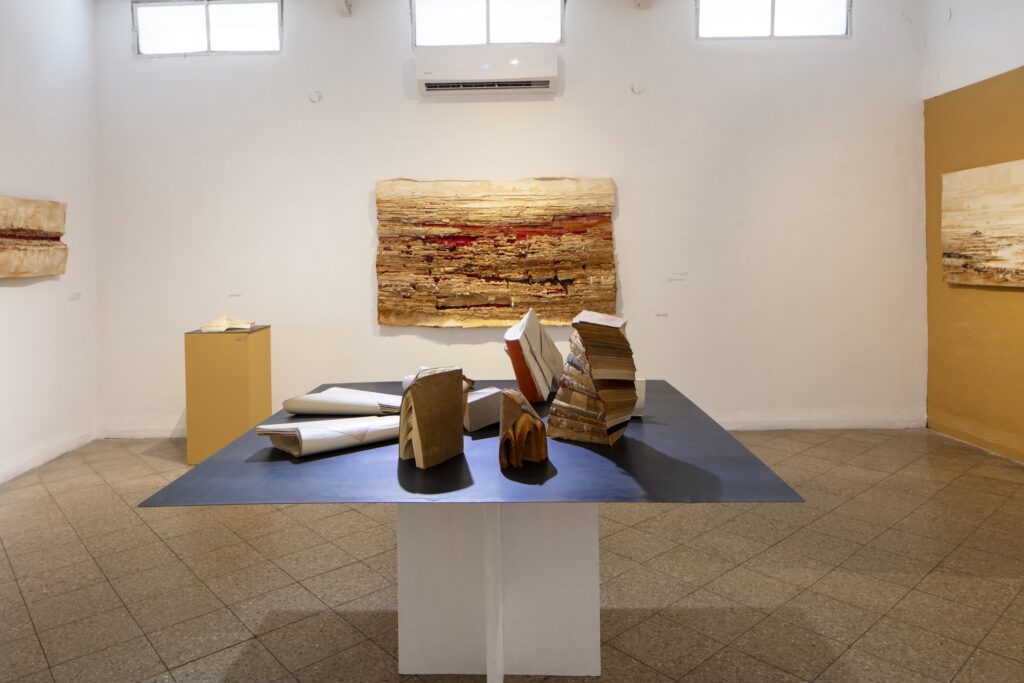
חתך נייר הוא פצע מטעה למראה: הוא דק, נקי, כמעט בלתי נראה – אך כאבו חד ובלתי פרופורציונלי. הוא מגיע בהפתעה, חותך כסכין פתאומית, והופך את דף הנייר העדין לזיכרון של כאב שהולך ומגליד. במובנים רבים, גם עבודותיה של נחמה לבנדל הן בלתי נראות במבט ראשון. כלפי חוץ הן נגלות כדפים וקרעים, לבנים או מצהיבים. אך תחת פני השטח, הדפים מוכתמים באדום ובכתום של דם ואש – אלה הכריכות החיצוניות או הפנימיות של הספר; הם נושאים בתוכם תוכן, זיכרון, אמירה ועמדה, הכרוכה בין הדפים, נסתרת ובוערת.
לבנדל, מתגוררת ויוצרת בעין הוד, מתארת את עצמה לעיתים כאמנית מלחמות גם אם בעל כורחה. זאת משום שעבודותיה שזורות באופן בלתי נפרד בכאב, בריפוי ובכיסוי של השנים האחרונות במציאות הישראלית. הן עוקבות אחר אירועים אקטואליים ופוליטיים – לפני השבעה באוקטובר ואחריו – ומעלות אל פני השטח קרעים בחברה, גווילי אש, טבח ואותות מלחמה.
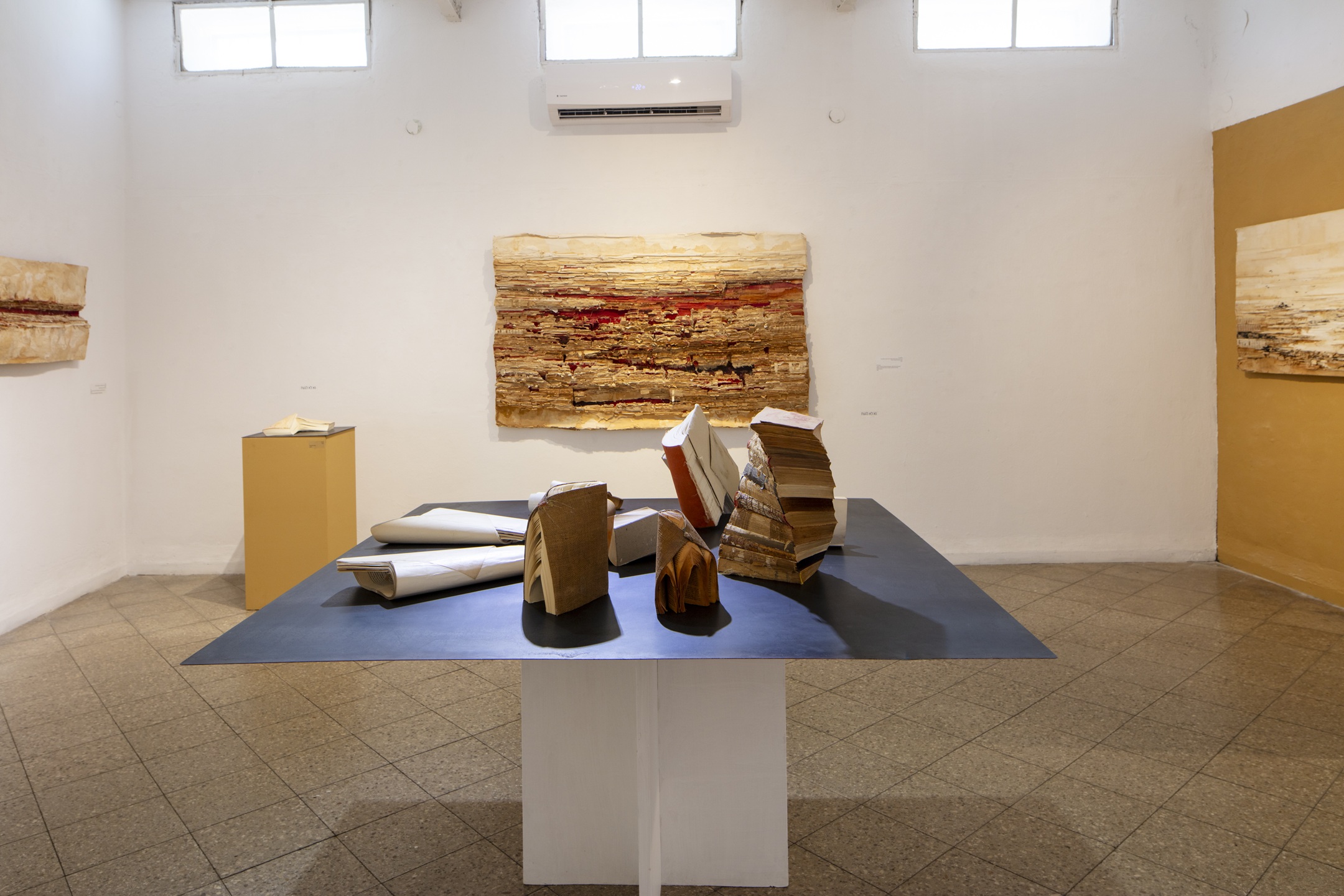
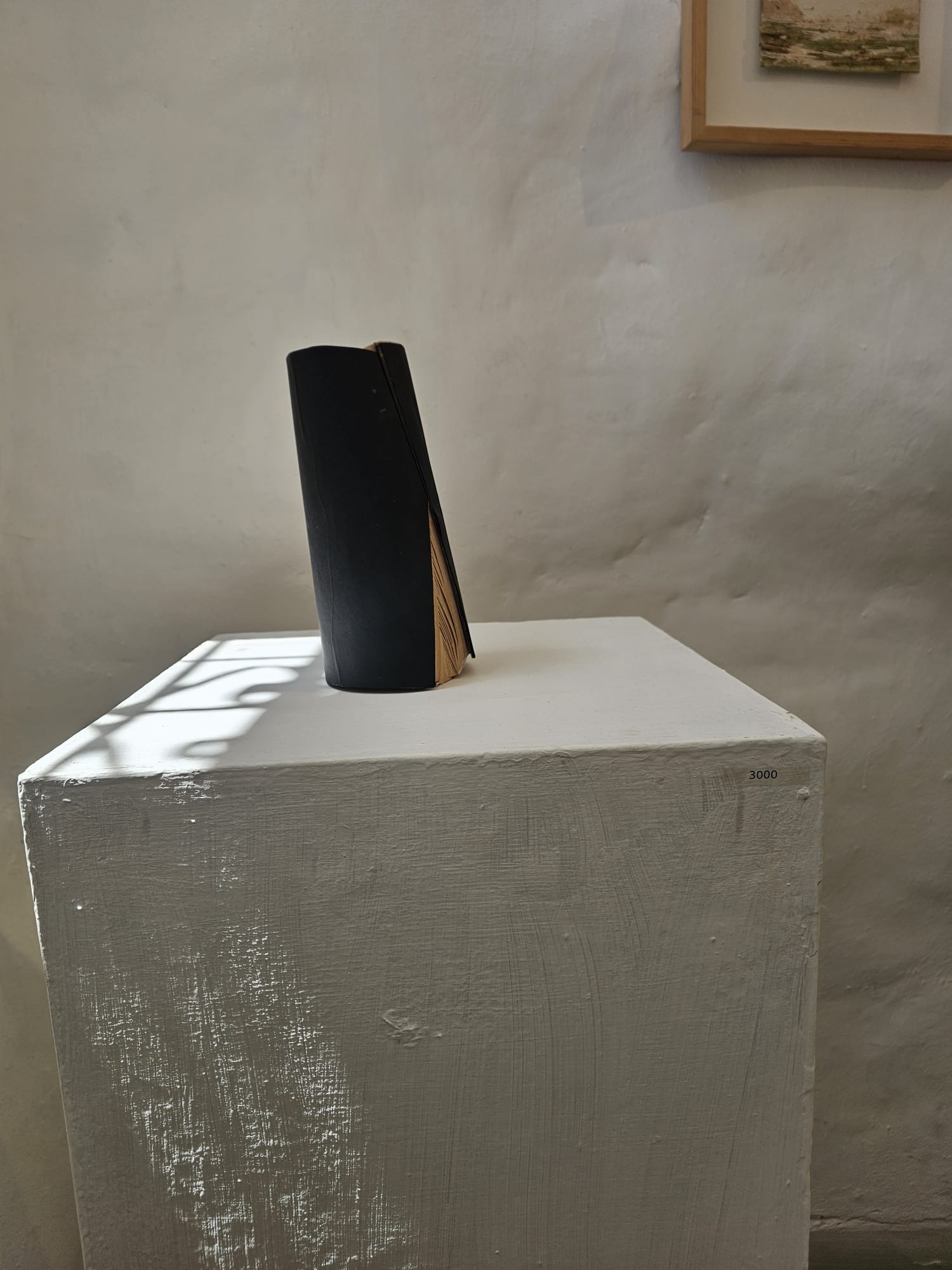
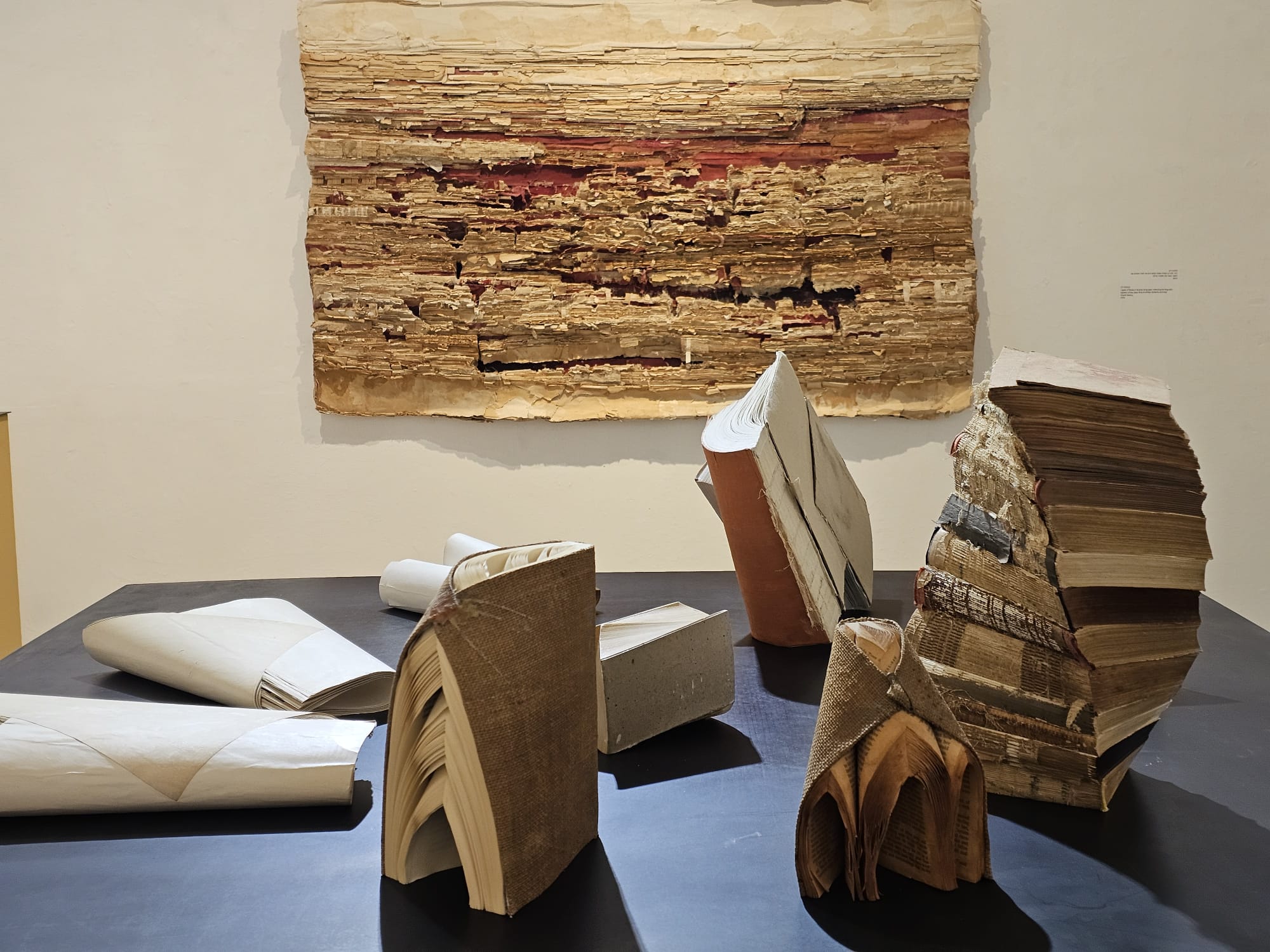
אלו יצירות אורגניות הנעות בתנועה מתמדת: מעץ לדפוס, ומפסל לנוף. הן עוברות טרנספורמציה כמעט אנושית, מבריאה לכיליון ובחזרה, ומשתנות בהתאם לתנאי המקום ותמונת הזמן. בשונה ממדיומים אחרים, העבודה עם הספר כחומר ממשיכה להתהוות ולהשתנות גם לאחר סיום אקט היצירה. לבנדל מעידה כי דווקא ההגבלה החומרית היא שמאפשרת לה חופש פנימי. היצירה מתהווה לכדי צורה מתוך קשר חומרי בלתי אמצעי, ללא מחשבה צורנית מוקדמת.
לבנדל מתכנסת אל תוך העבודה, וככל שהיא מתקדמת, כך העבודה חושפת את עצמה בפניה. היא מפסיקה לעבוד רק כאשר היא מבינה שהגילוי הושלם. החומר הגולמי אינו נינוח ואינו מבקש להיות נעים לעין. הוא מציע פתרון לשאלה כיצד מעבירים תחושה דרך חומר קיים – מבלי לשנות, לגרוע או להוסיף – תוך שמירה על כנות מוחלטת.
הפילוסוף הצרפתי ז'אק דרידה טוען כי פעולת החיתוך או הכתיבה בנייר היא אקט של התערבות או אלימות על פני השטח החלקים. הנייר אינו מצע ניטרלי, אלא חומר הנושא את "העקבות" של מה שנפרם או נחתך ממנו. החתך מייצר פיצול; הוא חושף את מה שמתחת, ומפריד בין מה שהיה שלם.
תפיסה זו מהדהדת גם במסורת הנייר היפנית (וואשי), שבה חתך או קרע אינם נתפסים כקלקול או שיבוש, אלא כרגע שבו החומר מקבל חיים ומשתלב במעגל הטבע של פגיעות וזמניות. במובן הזה חתך הנייר מגלם את הרגע שבו השלמות, שהיא האשליה, נשברת. ואיתה נשברות גם האותיות, הסיפור, החיים, התרבות.
כשנחמה לבנדל לוקחת את הספר ומפרקת אותו, היא למעשה מייצרת את הדיאלוג שדרידה מדבר עליו – פירוק (דקונסטרוקציה) של המבנה המסורתי של הספר כדי לחשוף את החומריות והמבנה הפנימיים, ובכך היא חושפת את הפגיעות שלו ואגב כך גם את הפגיעות שלנו, כפרטים וכחברה.
צילומים: ענבל קנפו, אורית סימן טוב, צאלה קוטלר הדרי
עיצוב הזמנות: תמר לצרוס
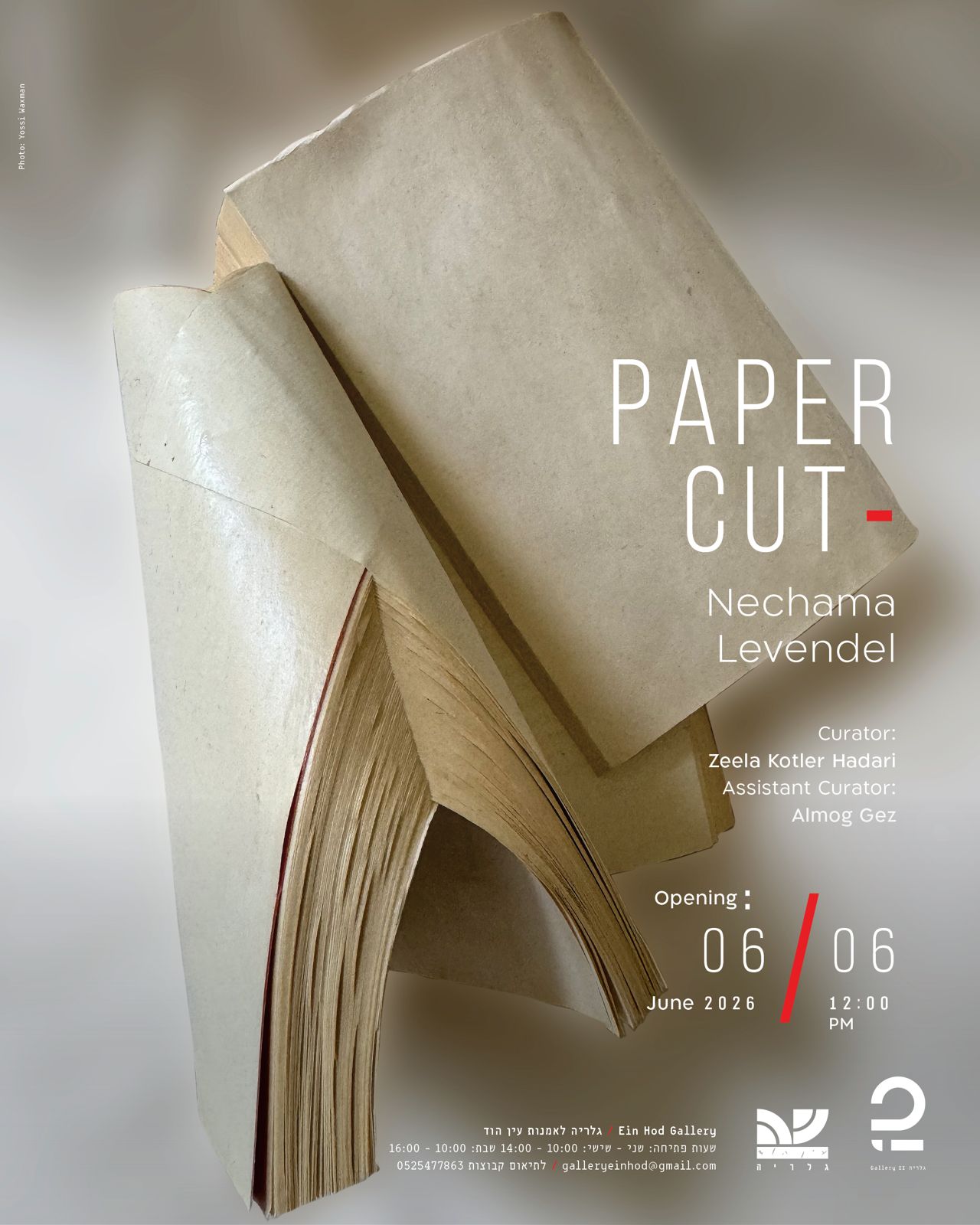
Paper Cut: Nechama Levendel
Curator: Zeela Kotler Hadari
Assistant Curator: Almog Gez
Ein Hod Art Gallery
June 6 – October 3, 2026
A paper cut is a deceptively simple wound: it is thin, clean, and almost invisible – yet its pain is sharp and disproportionate. It arrives by surprise, cutting like a sudden blade, turning the delicate sheet of paper into a memory of pain that gradually scars over.
In many ways, the works of Nechama Levendel are also invisible at first glance. Outwardly, they reveal themselves as pages and tears, white or yellowing. Beneath the surface, however, the pages are stained with the red and orange of blood and fire – these are the inner or outer covers of the book. Bound between the pages, they carry within them a hidden and burning content, memory, statement, and stance.
Levendel, who lives and creates in Ein Hod, occasionally describes herself as a war artist, even if she didn't choose to be. This is because her works are inextricably intertwined with the pain, healing, and concealment of recent years in the Israeli reality. They follow current and political events – both before and after October 7th.
These are organic works in constant motion: from wood to print, and from sculpture to landscape. They undergo an almost human transformation, from creation to oblivion and back, changing in accordance with the conditions of the place and the image of the time.
Unlike other mediums, working with the book as a material continues to evolve and change long after the act of creation is complete. Levendel says that this material limitation is exactly what gives her inner freedom. The artwork takes shape through direct contact with the material, without planning the look in advance.
Levendel retreats into the work. As she moves forward, the artwork reveals itself to her. She stops working only when she feels the discovery is complete. The raw material is not peaceful or meant to look pretty. It shows how to pass a feeling through an existing material – without changing, taking away, or adding anything – with absolute honesty.
The French philosopher Jacques Derrida argues that the act of cutting or writing on paper is an act of intervention or violence upon a smooth surface. Paper is not a neutral canvas, but a material that bears the "traces" of what has been unraveled or severed from it. The cut creates a split; it exposes what lies beneath and separates what was once whole.
This concept also echoes the Japanese paper tradition (Washi), where a cut or a tear is not perceived as damage or a flaw, but as the moment the material comes to life, integrating into nature's cycle of vulnerability and transience. In this sense, a paper cut embodies the moment where wholeness – which is an illusion – shatters. And along with it, the letters, the story, life, and culture are shattered as well.
When Nechama Levendel takes a book and deconstructs it, she essentially generates the dialogue of which Derrida speaks – a deconstruction of the book's traditional structure to expose its inner materiality and form. In doing so, she reveals its vulnerability, and consequently, our own vulnerability as individuals and as a society.