חברים מספרים על ג'ימי: אמנות והנצחה
ציוריו של מנחם שמי (1897–1951), בצבע וברישום, עוסקים בעיקר בארץ ישראל – באורה, בנופיה ובאנשיה.
שמי נמנה עם גדולי הציירים בישראל וממייסדי אגודת הציירים, סגנונו מהווה סינתזה אישית בין המסורות שלמד באודסה, השפעות אסכולת פריז ואסכולת בצלאל. היה ממארגני התערוכות ב״מגדל דוד״ בירושלים בשנות העשרים וממייסדי קריית האמנים בצפת. ב־1938 וב־1942 זכה בפרס דיזנגוף, וב־1950 הציג בביתן הישראלי בביאנלה בוונציה.
אלא שסיפורו המשפחתי של שמי מציב חיבור עמוק בין הציור הישראלי לבין הסיפור הישראלי, ומתפתח אל סוגיות ושאלות של הנצחה וזיכרון – סוגיות הממקמות את היצירה האמנותית כמרחב פעיל ומכונן בנרטיב הלאומי.
בנו של שמי, סרן אהרן (ג׳ימי), לחם בחטיבת הראל ונפל בקרב במלחמת העצמאות ב-1948. בעקבות מותו יצר שמי את הספר ״חברים מספרים על ג׳ימי״, שנחשב לאחד ממסמכי ההנצחה המכוננים והראשונים בישראל.
יצירתו וסיפורו של מנחם שמי מאירים סוגיות דחופות וכואבות במיוחד בתרבות ובחברה בישראל מאז 7 באוקטובר, ומעלים שאלות ותהיות אודות אופני העיצוב והגיבוש של הזיכרון הקולקטיבי ואודות תפקידה של האמנות והיצירה.
אורך ההרצאה: שעה
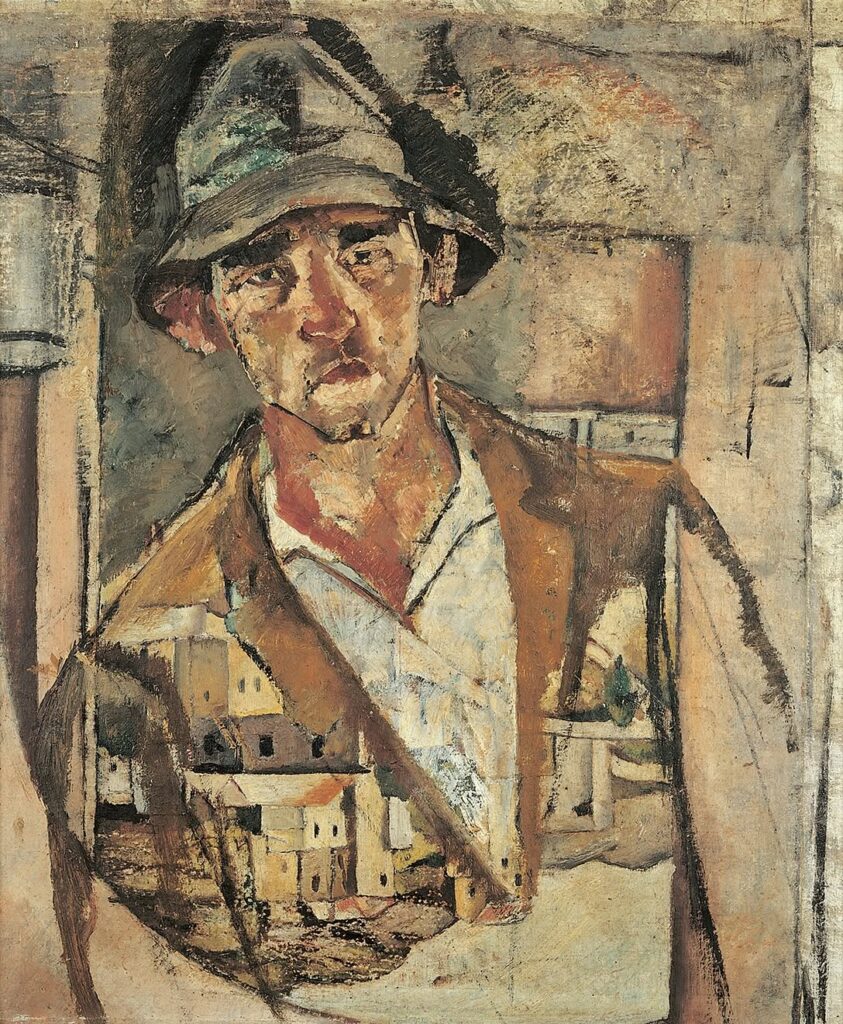
דימוי בראש העמוד, מנחם שמי, דיוקן עצמי, 1924. אוסף הפניקס
Menachem Shemi (1897–1951): Art, Memory, and the Making of an Israeli Narrative
The paintings and drawings of Menachem Shemi (1897–1951) are devoted primarily to the Land of Israel—its light, landscapes, and people.
One of the leading figures of early Israeli painting and a founding member of the Painters and Sculptors Association, Shemi developed a distinctive visual language that synthesized the artistic traditions he absorbed in Odessa, the influences of the School of Paris, and the Bezalel School. He was among the organizers of the landmark Tower of David exhibitions in Jerusalem during the 1920s and a founding member of the Artists' Quarter in Safed. Shemi was awarded the Dizengoff Prize in 1938 and 1942, and in 1950 exhibited in the Israeli Pavilion at the Venice Biennale.
Beyond his artistic achievements, Shemi's personal story forges a profound connection between Israeli art and Israeli history, opening broader questions of remembrance, commemoration, and collective memory. His work demonstrates how artistic creation can function as an active and formative force in shaping a national narrative.
His son, Captain Aharon ("Jimmy") Shemi, served in the Harel Brigade and was killed in action during the 1948 Arab–Israeli War. In the aftermath of his son's death, Shemi compiled Friends Tell the Story of Jimmy, a memorial volume widely regarded as one of the earliest and most influential commemorative publications in Israel.
Since October 7, 2023, Menachem Shemi's life and work have acquired renewed relevance, illuminating some of the most urgent and painful questions facing Israeli society. The lecture examines how art participates in the construction of collective memory and invites reflection on the ways national remembrance is shaped, preserved, and reimagined.